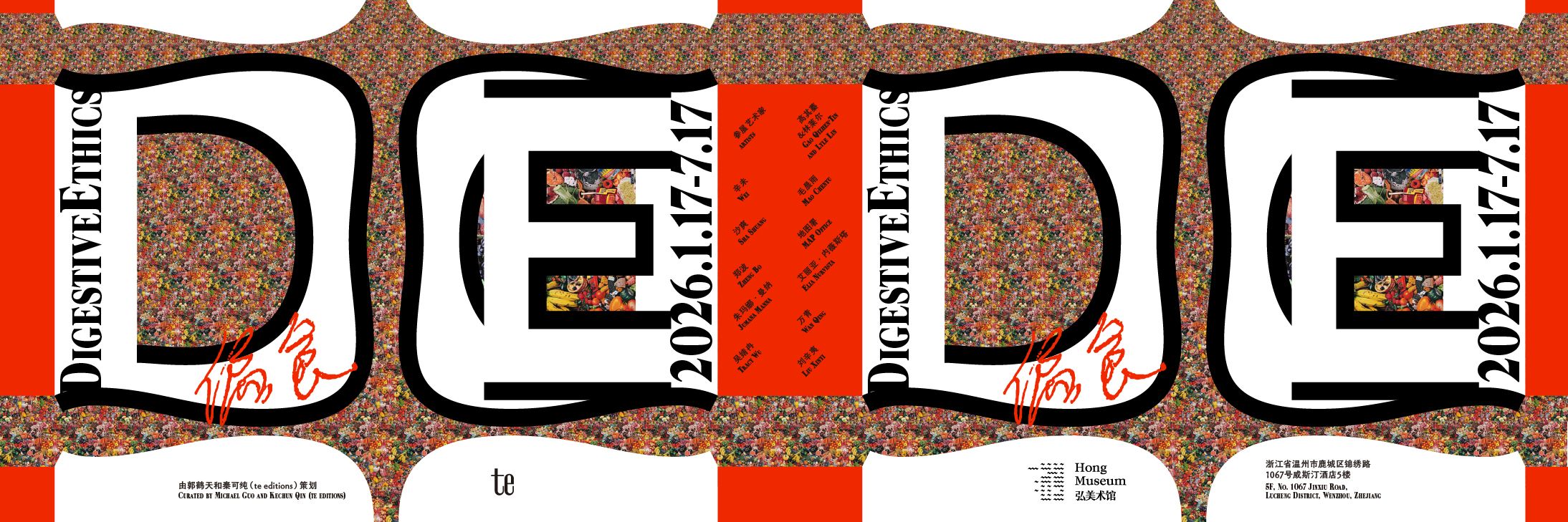
The Yongjia School, which originated in Wenzhou during the Southern Song Dynasty, once proposed the idea that "the Way (Dao) cannot be separated from the vessel (Qi)," emphasizing that the operation of all things hinges on practical activities while advocating for social transformation through economic circulation. This notion addressed Confucianism's long-standing dilemma between financial gain and ethics (how can people achieve a balance between material interests and ethical principles?) and rendered Wenzhou a hotspot for critical thoughts. However, since the mid-to-late 1980s, Wenzhou, once an agricultural city, has been gradually engulfed by the din of factory machinery as it assimilated into the global production system via industrialization and homogenization. Yet, even before then, the Wenzhounese had long been migrating overseas and actively integrating into local economies.
Wenzhou's transformations revealed a global phenomenon: the chains of production under capitalism have ensnarled countless places—from Indonesia's port towns to Palestine's villages—converting them into interlocking cogs. The processing and circulation of food serves as a telling example. It has become increasingly difficult to tell whether food is locally produced, or perhaps that no longer matters. At the same time, the productivity-led value system of "progress" is eclipsing "communal" and "nonstandard" sceneries and tempos. Food has to deviate from its original form as it is genetically modified, while the labor and sacrifice of individuals within systems become concealed.
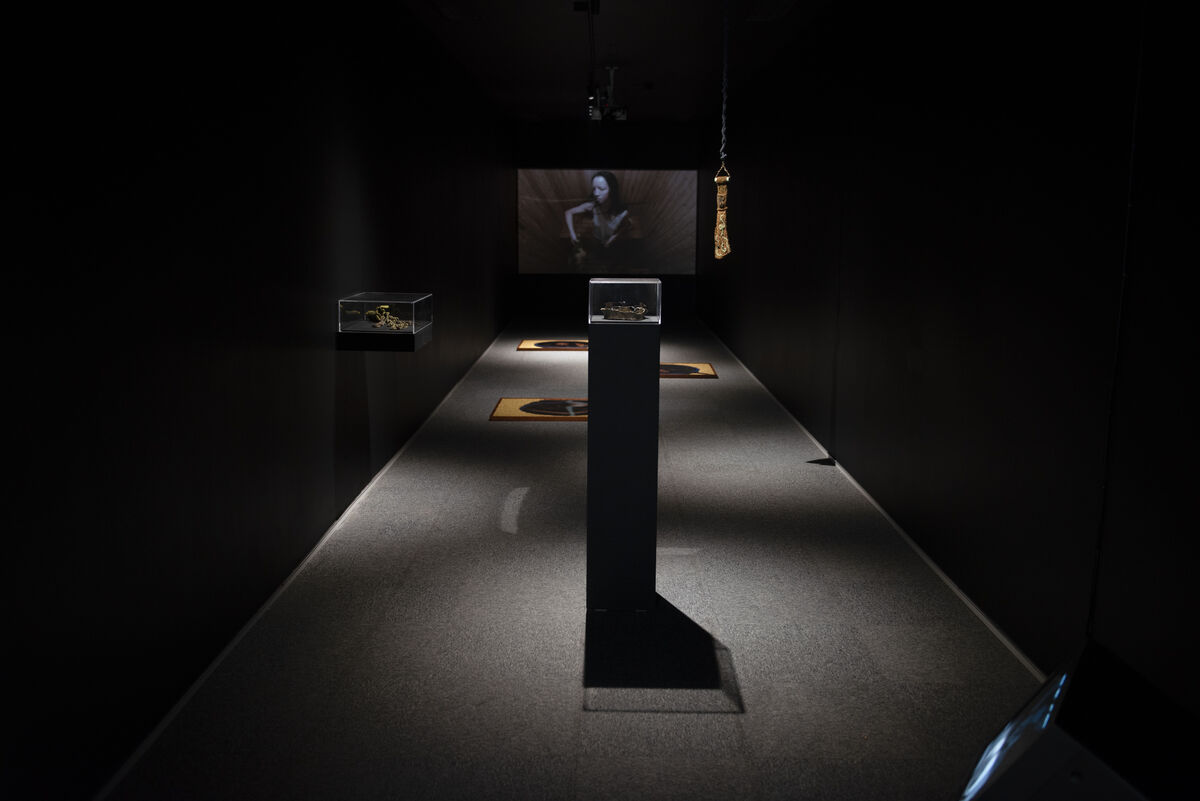
With food as the thematic anchor, Digestive Ethics examines the constant deviations taking place in our world. The exhibition stages a conversation on the contemporary food system between eleven artists and artist collectives with research backgrounds, exploring the alienation experienced by producers, consumers, and food alike, as well as the mechanics of displacement that subtly affect our senses and sensibilities. Through mediums such as video, installation, painting, and collage, the artists navigate the boundaries of oceans, forests, farmlands, and factories to trace an invisible food supply chain within the gallery. The exhibition foregrounds the apparatus of control that is omnipresent throughout gathering and industrial manufacturing. The search for the source of food is also an inquiry into labor: who has been sacrificed within this closed loop? Within the exhibition's framework, Wenzhou not only represents the process by which local experience is absorbed into a global system but also provides a means for contemplating material interests and ethics. We invite the audience to draw from their lived experience and to "chew" and "digest" anew, developing fresh perspectives on the complex relationships between food and life.
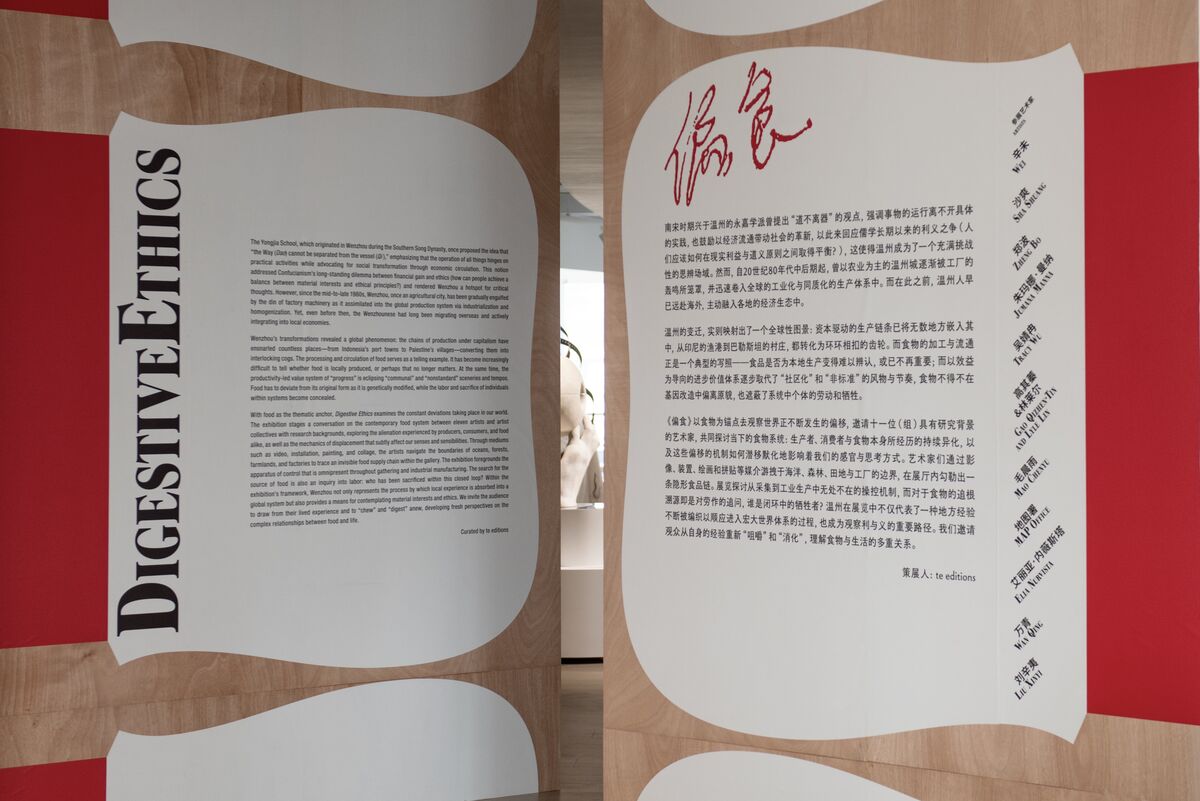
Exhibition Entrance
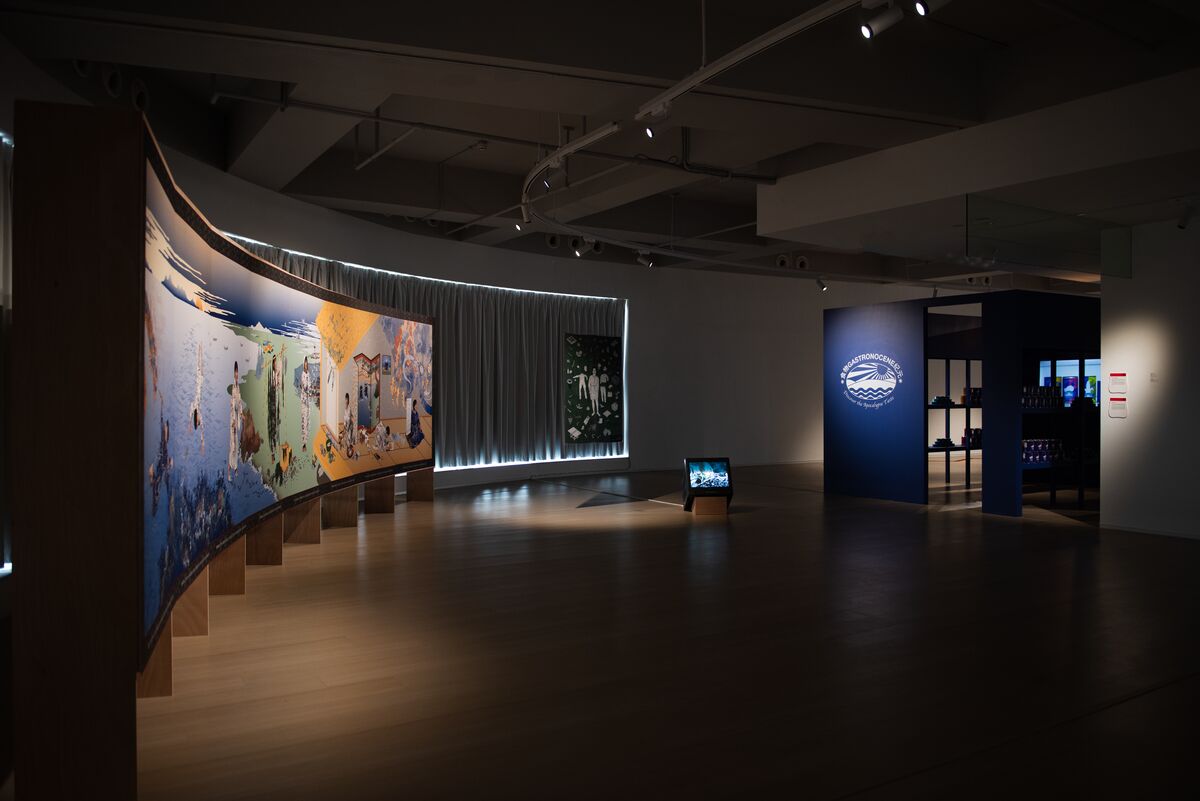
MAP Office "Story of Haenyeo" & Elia Nurvista "Gastronocene"
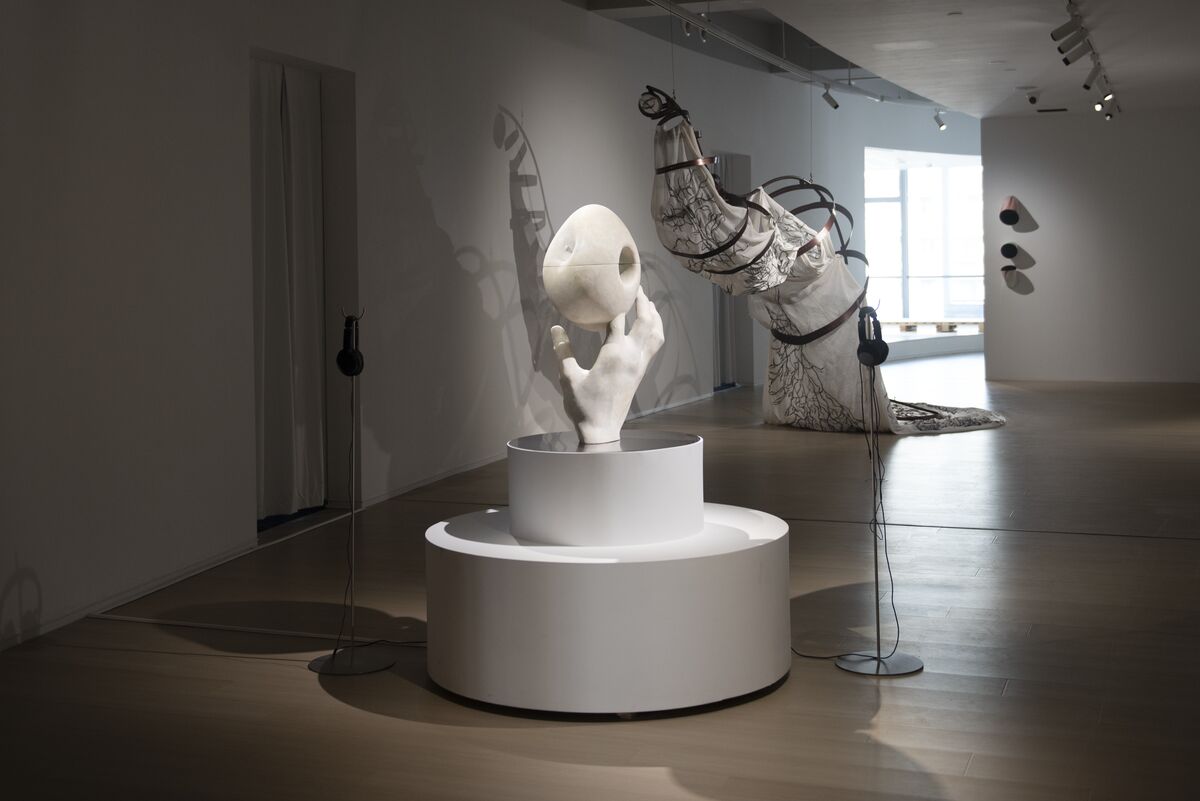
Wei "Apple" & Sha Shuang "Mammary Network"
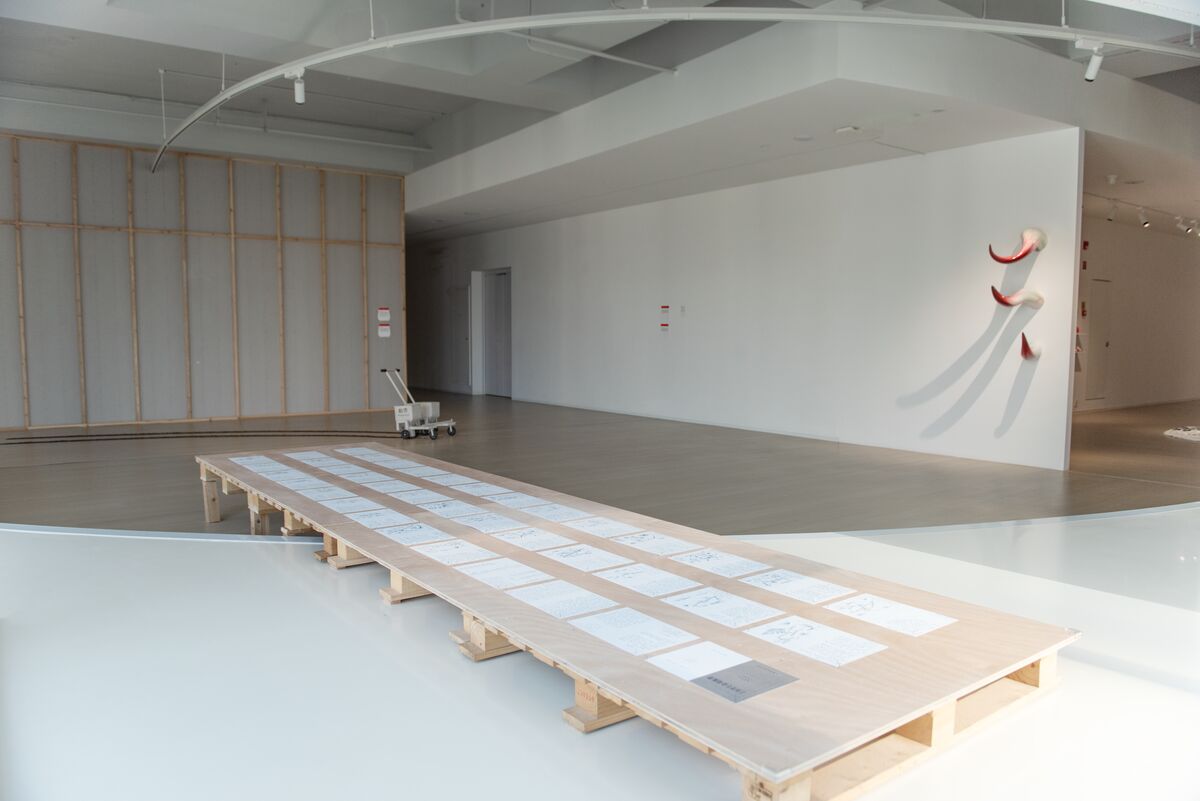
Zheng Bo "Survival Manual I" & Liu Xinyi "Guerrilla Squad" & Sha Shuang "Cloud Sorasia"
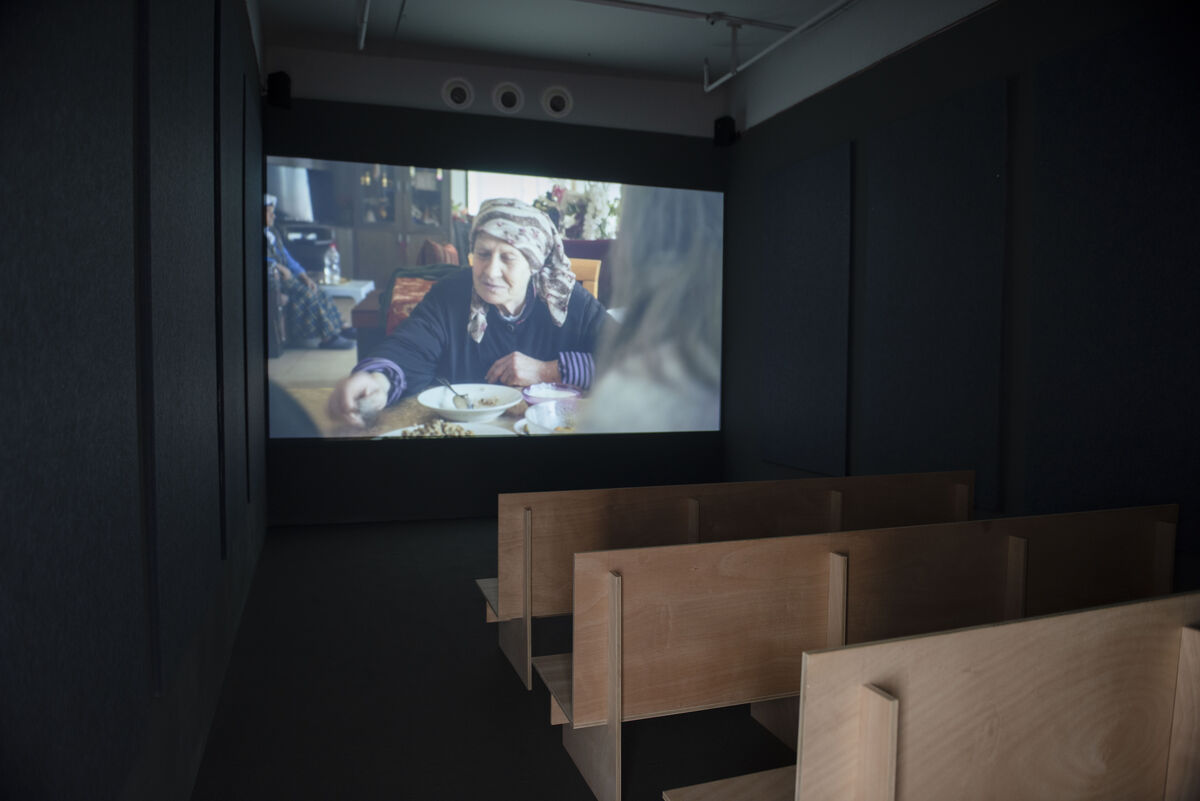
Jumana Manna "Foragers"
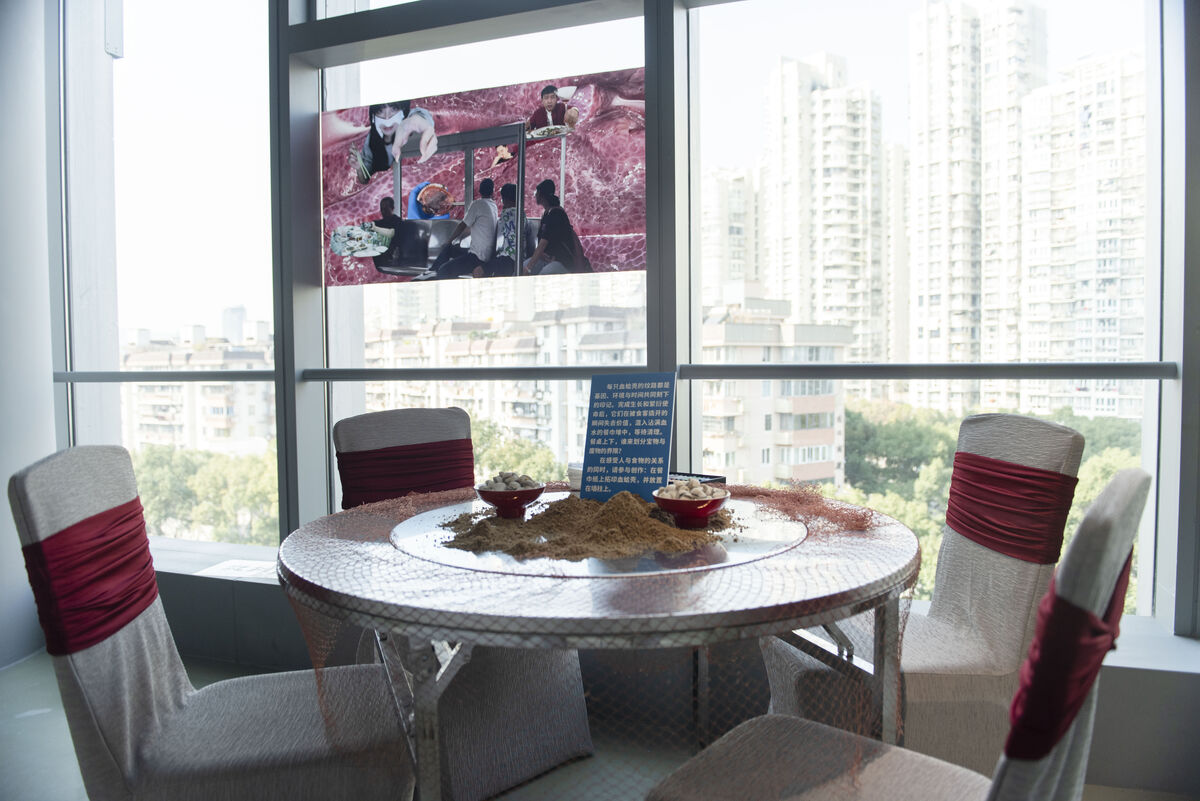
Tracy Wu "I'd Rather Chat with a Clam"
Gao Qizhen·Tin & Lyle Lin
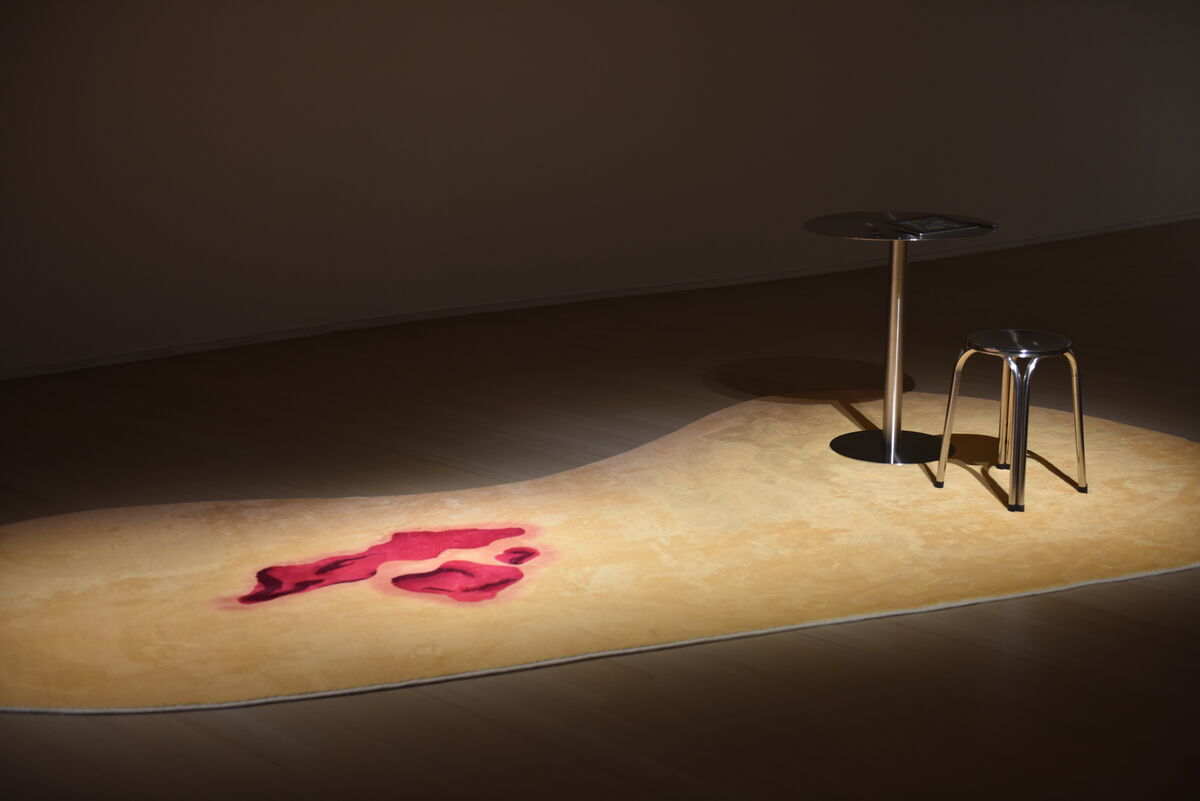
Wan Qing "Food Comes to You"
ArtistsWei
Wei currently lives and works in Guangzhou. Through engaging in various types of work, he delves into different aspects of society. Writing and modeling are his methods, and he focuses on how concepts are constructed through narrative. He often haphazardly reconstructs fragments of history or fictional stories.
Sha Shuang
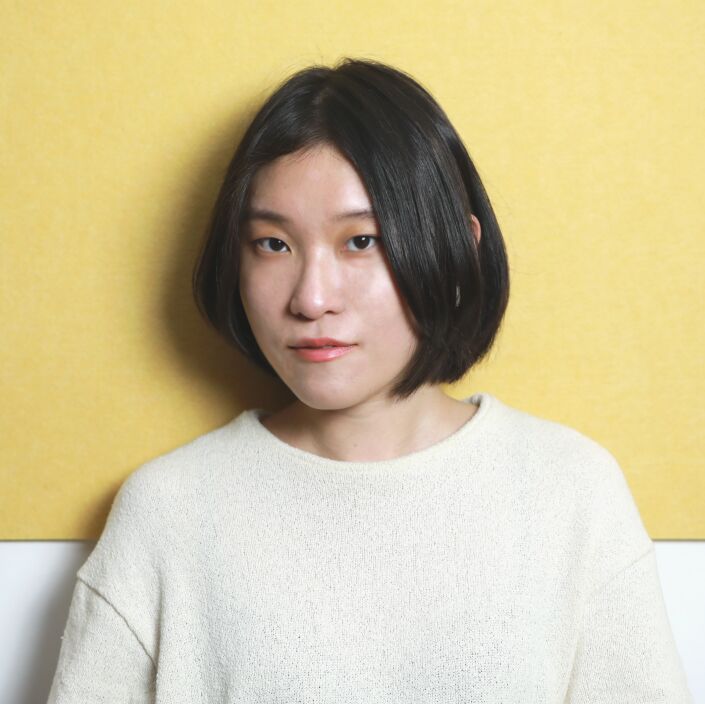
Sha Shuang graduated from the Printmaking Department of the Central Academy of Fine Arts. Her practice focuses on research and artistic inquiry in public space and site-specific engagement. Her artistic methods span painting, installation, and socially engaged projects, with collaborative co-creation as a key working approach. Sha's long-term concerns revolve around the dynamics of "standardization," "opposition," and "fluidity" within relationships. Using these as threads of inquiry, she develops works that address social issues through the lens of images and events, with keywords such as displacement, change, memory, and community.
Zheng Bo
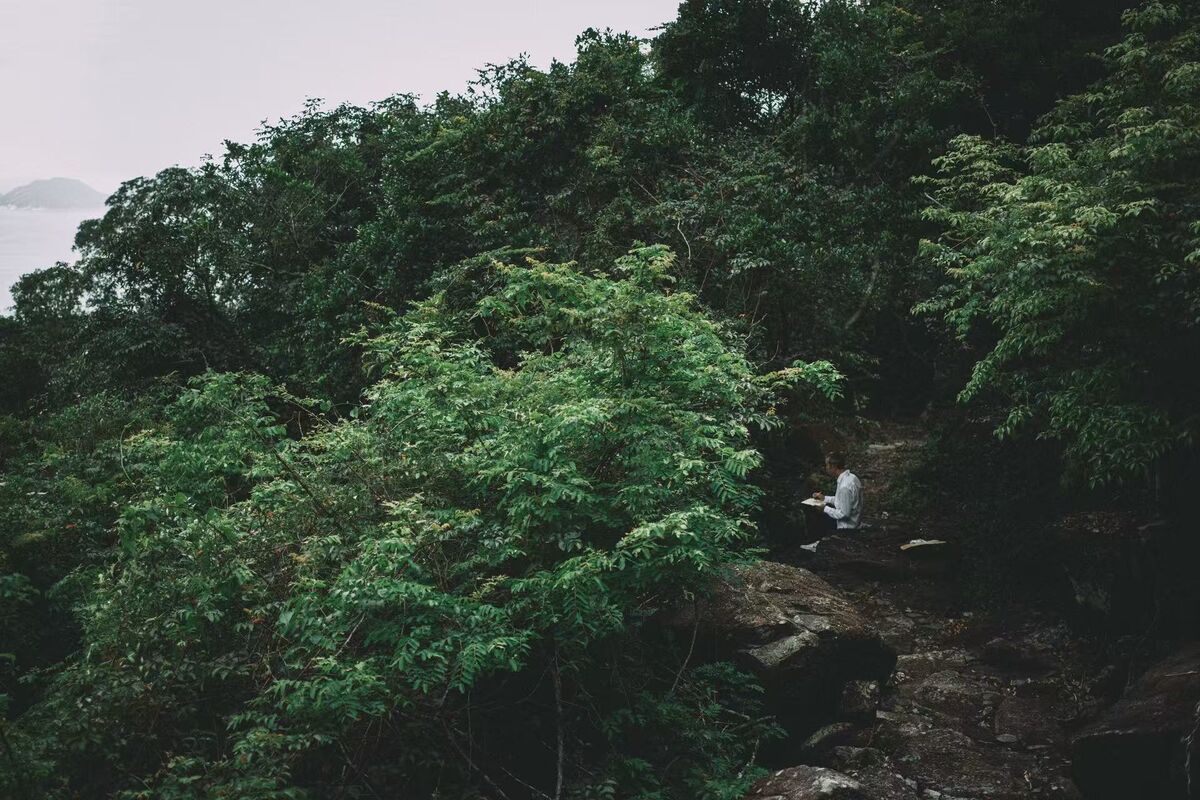
Zheng Bo is learning to live a good life on Earth—one of material simplicity and ecological vibrancy. Since 2013, he has been studying with plants: ferns in Taiwan, mosses in Scandinavia, grass trees in Western Australia, and date palms in the Arabian Peninsula. Lately, he is turning toward the ocean, getting to know a coral lagoon in the South Pacific. His works are in the collections of Tate, Hong Kong Museum of Art, Power Station of Art, and Hammer Museum, among others.
Jumana Manna
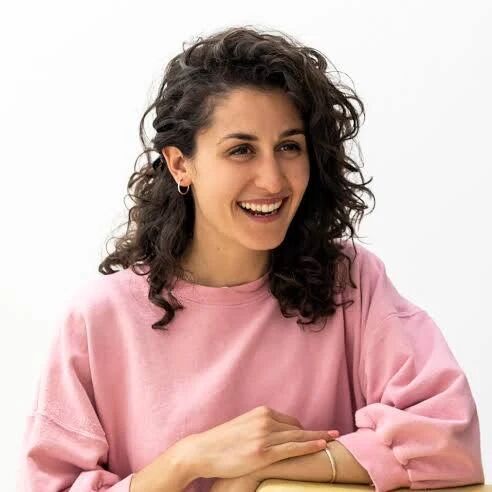
Jumana Manna is a visual artist and filmmaker based in Jerusalem and Berlin. Her work explores how power is articulated, focusing on the body, land and materiality in relation to colonial inheritances and histories of place. Through sculpture, filmmaking, and occasional writing, Manna deals with the paradoxes of preservation practices, particularly within the fields of architecture, agriculture and law. Her practice considers the tension between the modernist traditions of categorisation and conservation and the unruliness of ruination, life and its regeneration.
Tracy Wu
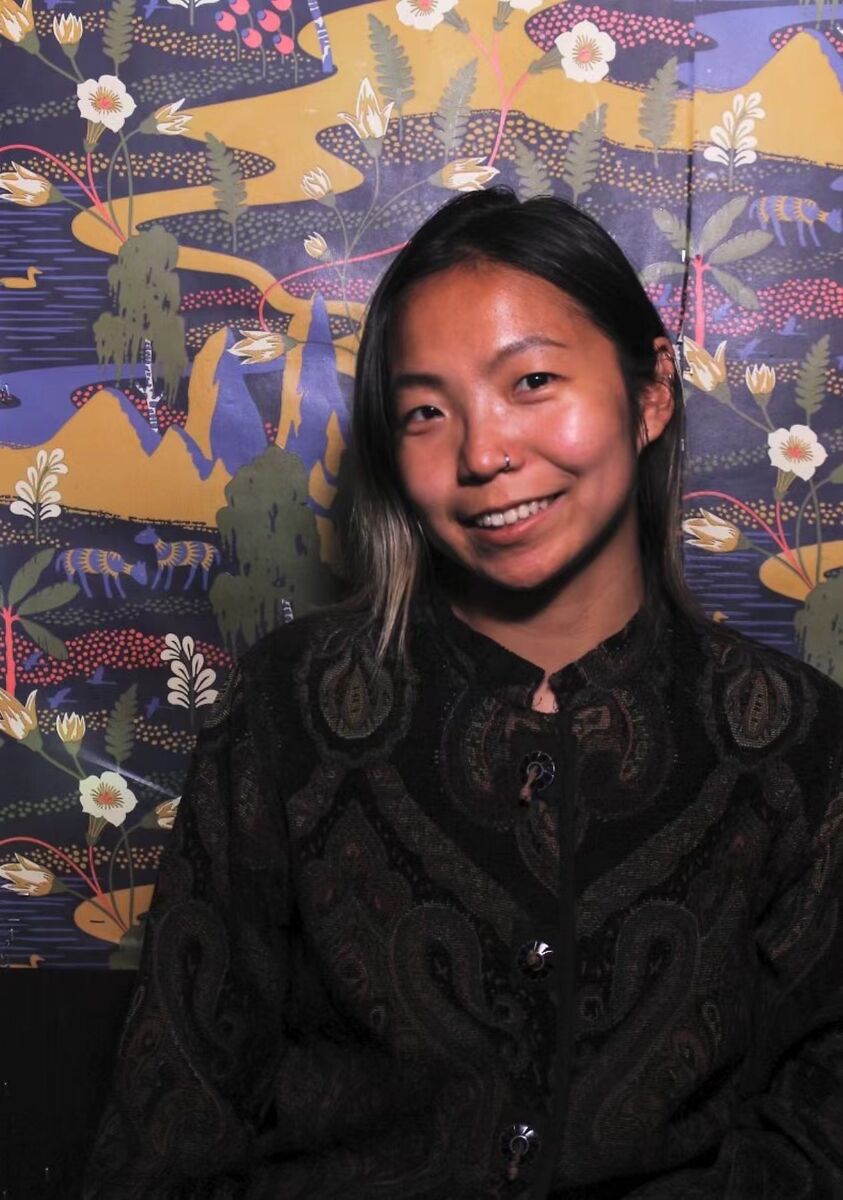
Tracy Wu (b. 2002, Shandong, China) is an artist, writer and researcher working across image, text and installation. Expanding from cinema to installation and multi-sensory and multimodal ethnography, her practice explores the formation of subjectivity and relationality amid modern transformation. She seeks to integrate social participation, performativity and curatorial practice into anthropological methods, while reflecting on the ambiguous boundaries between reality and fiction. Tracy Wu holds a BA in Studio Art and Anthropology from Wesleyan University and currently lives and works in Philadelphia and Shandong, China.
Gao Qizhen·Tin & Lyle Lin
Gao Qizhen·Tin (b. 1998, Wenzhou), currently based in Berlin, Germany. She works primarily with knitting and weaving, combing photography and videography as part of experiment. Fermented elements—including mouldy and wasted food—as recurring motifs. Through slow, repetitive handcraft, Tin transforms materials marked by decay and neglect into intimate visual narratives interwoven with emotion, domestic ethics, and self-identity. Her work is both tender and raw—like letters to the past and to the self—evoking a sense of vulnerability, belonging, and memory. By intertwining domestic labour with ephemeral matter, she invites viewers to reflect on the fragility and resilience of human connection.
Lyle Lin (b. 1998, Wenzhou), currently based in Beijing, China.
Mao Chenyu
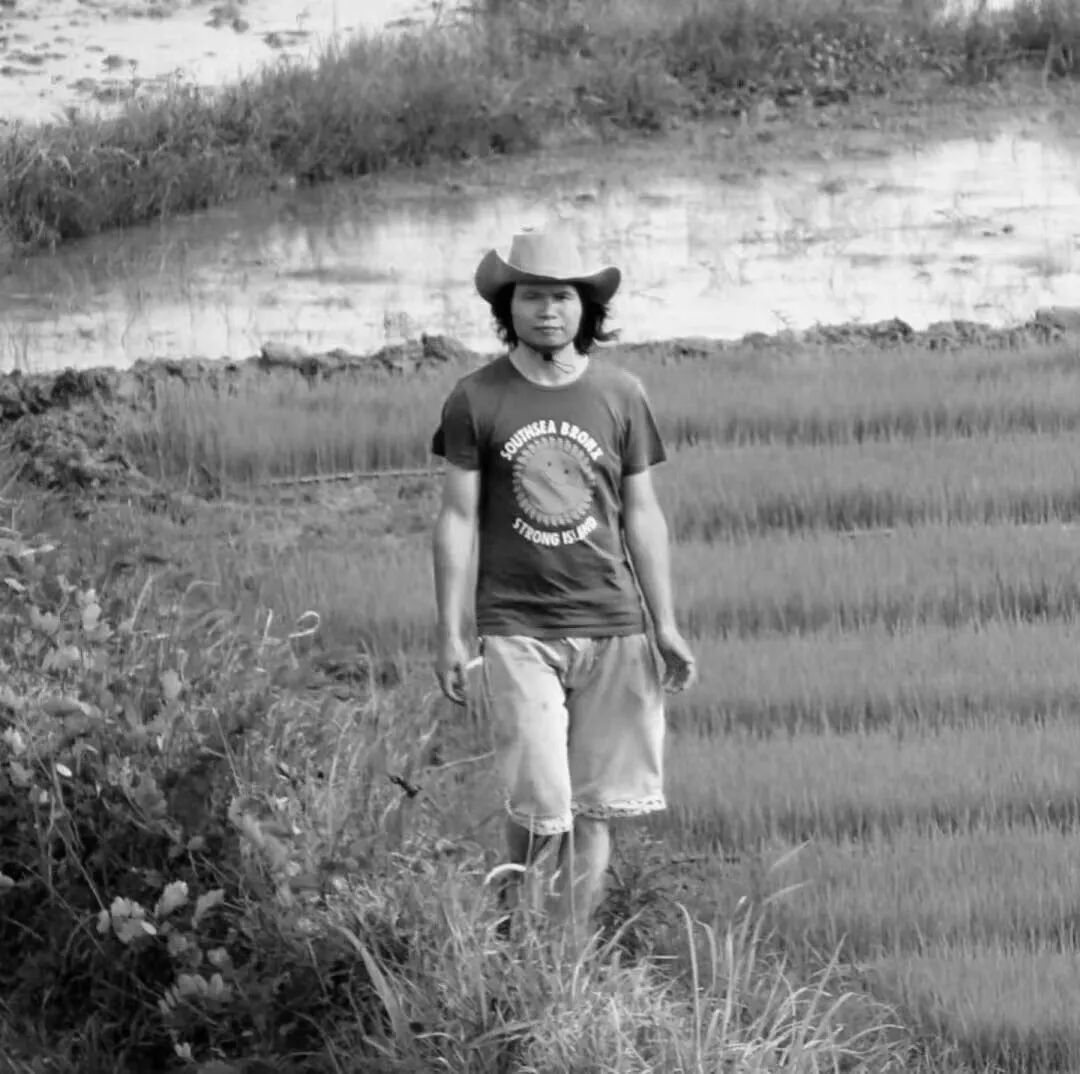
Mao Chenyu lives and works in Shanghai, he is the founder of Paddyfilm. He works around the area of Dongting Lake Watershed. In 2012, Mao founded the experimental social platform Paddyfilm in Hunan, which investigates and analyses rural societies in China. Thirty mu of paddy field has been transformed into a self-sufficient farming system which nurtures the linguistic and film practices of Paddyfilm. In 2015, in opposition to the drastic transformation of rural societies in China, Mao has set up a private Elaphurus Davidianus University (EDU) within Paddyfilm's farm, and has carried out social research and education as a kind of institutional practice aimed at the new formation of rural social subjects and their relation with modern knowledge production.
Map Office
Map Office (established Hong Kong, 1996) is a multidisciplinary platform co-devised by Laurent Gutierrez (born 1966, Morocco) and Valérie Portefaix (born 1969, France). Using a variety of expressions such as drawing, photography, video, installations, performance, and literary and theoretical texts, their work on physical and imaginary territories forms a critique of spatio-temporal anomalies, and documents how human beings subvert and appropriate space.
Elia Nurvista
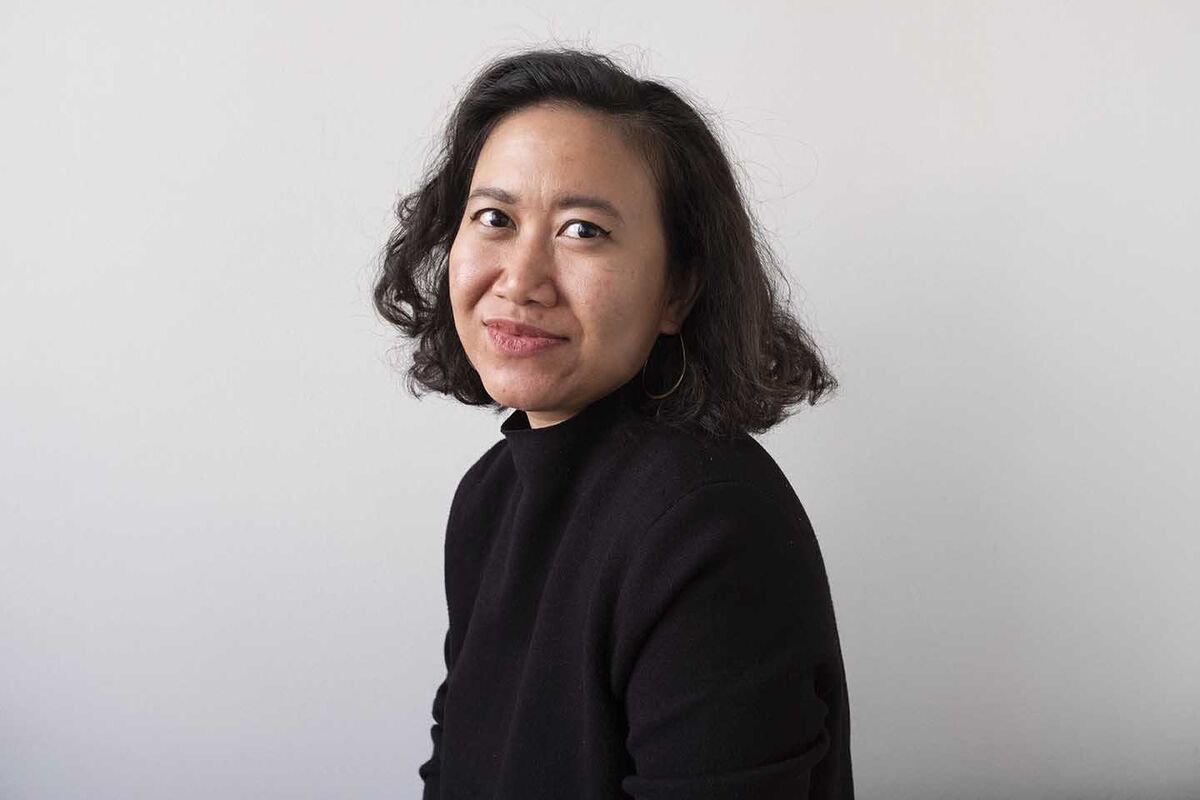
Elia Nurvista explores a wide range of art mediums with an interdisciplinary approach and often intersects with politics of food. Through food, she intends to scrutinize power, social, and economic inequality in this world. Using several mediums from workshop, study group, publication, site specific, performance, video and art installations, she explores the social implications of the food system to critically address the wider issues such as ecology, gender, class and geopolitics.
Wan Qing
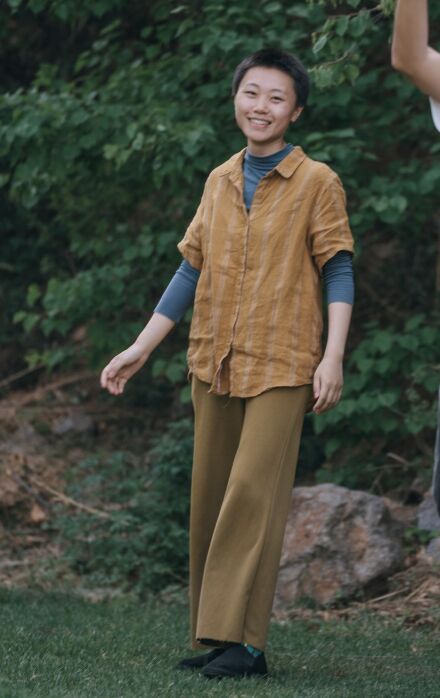
Wan Qing (b. 1993, Chongqing) has been based in Guangzhou since 2011. Her early practice centered on exploring a range of social issues and their dynamics. In recent years, her focus has shifted toward interactions with the environment, subjects, and flows of energy—embracing uncertainty and synchronicity, as seen in works like the Walking Trilogy series. In late 2022, she began the Symbiosis, an ongoing series of co-creations with friends from diverse backgrounds. Wan is also a member of Yi Qi Lian Gong (Energy Waving Collective) and Theatre 44, an initiator of limilink, a caretaker of Qiantai_osf, and a practitioner of Five Element Acupuncture. Life, creation, and collective practice continuously shape her landscape.
Liu Xinyi
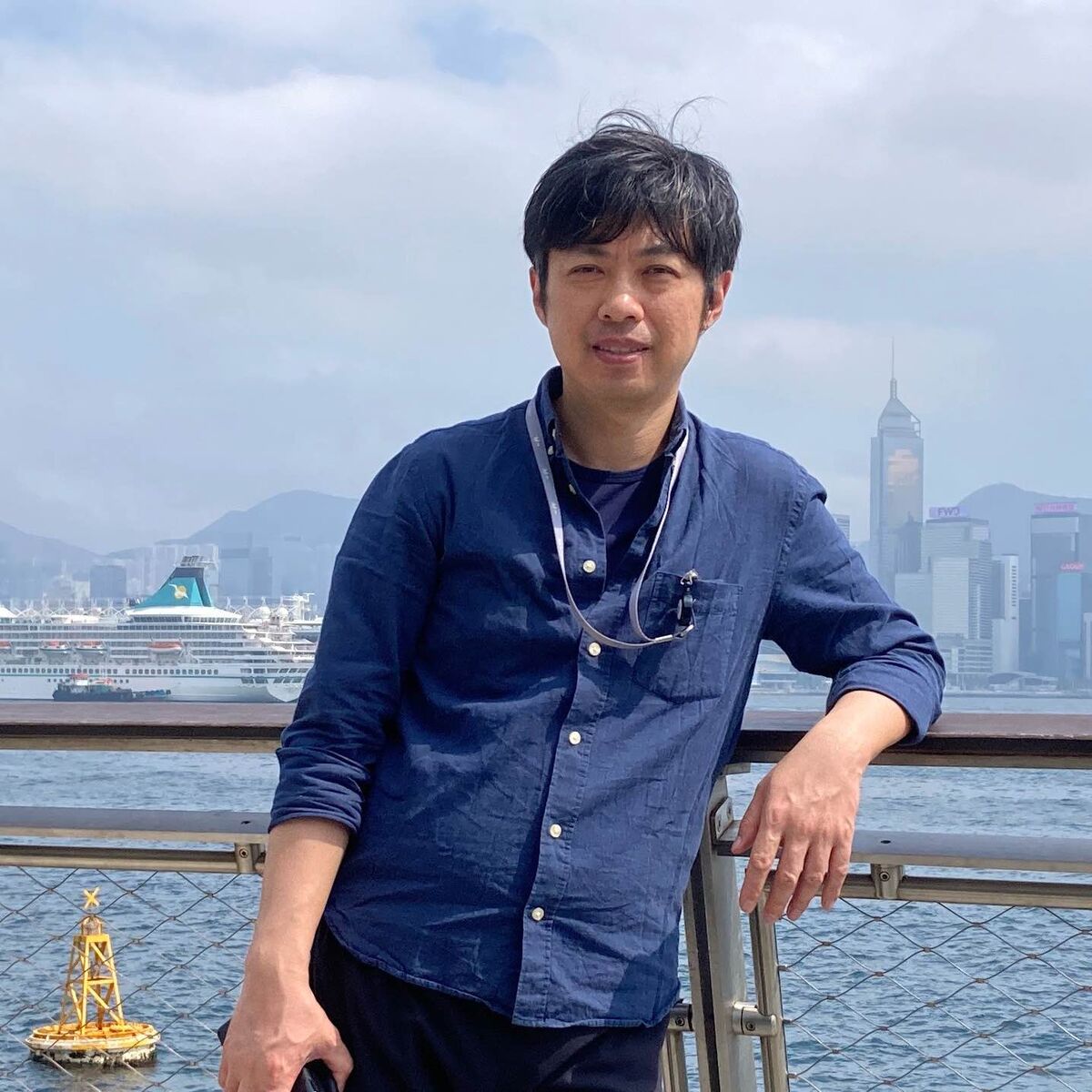
Liu Xinyi (b. 1982, Hangzhou, Zhejiang Province) currently lives and works in Beijing, working primarily on installations, as well as still and moving images. Liu pays attention to the messages that arise from the transnational circulation and cross-cultural application of everyday products. His studio work reframes political spectacles originating in the digital public sphere, alongside social installations embedded in daily life. His solo and collaborated projects navigate social spaces shaped by contemporary municipal governance, translating cultural contexts and technological practices that choreograph collective behavior. Liu's conceptual practice engages the latent structures of the Chinese psyche—veiled in particular phrases and idioms, inscribed in political imagery, and woven into public infrastructure—while imagining the residual roles of the obsolete, the defective, and the untraceable in an increasingly instrumentalized information society.
te editions (Michael Guo and Kechun Qin)
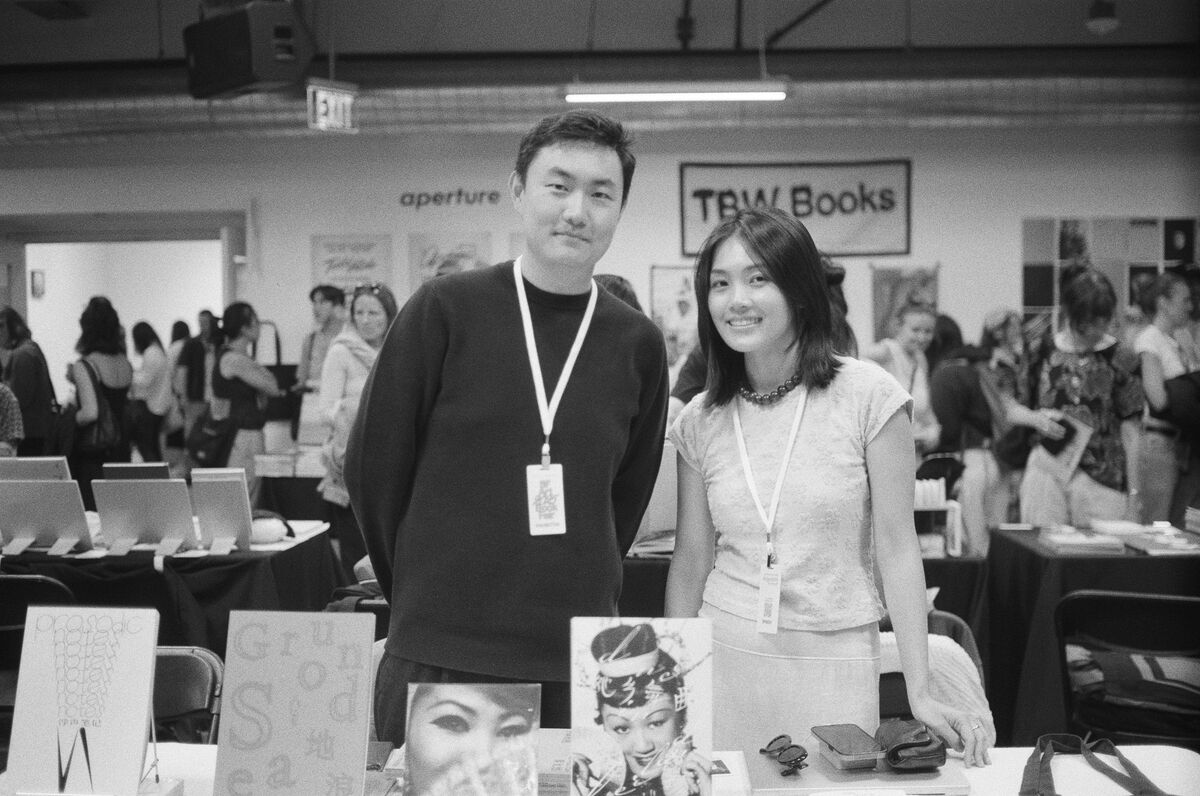
te editions is a curatorial, editorial, and publishing collective founded by Michael Guo and Kechun Qin, operating between New York and Beijing and dedicated to exploring the intersection of art and the humanities. We examine historical and contemporary social landscapes through a diversified and microscopic lens, focusing on how cultures encounter, collapse, and transform each other within global cultural flows.
In 2021, we launched the bilingual annual te magazine. Each issue draws inspiration from current events, developing a theme that encapsulates the thinking sparked by the moment. Researchers and creators from various fields are invited to contribute their work around a specific theme. In 2023, te editions was established. We consistently collaborate with research-driven artists, scholars, communities, and cultural organizations to produce physical publications together.
Wenzhou is a city renowned for its high fluidity of population. Located in the heart of Wenzhou city, the Hong Museum stands as a beacon of artistic and social exploration. Its overarching goal is to rejuvenate and reinstate the interplay among art, social science, and the public by presenting and studying contemporary culture and art. We firmly believe that an art museum wields an essential influence in shaping society. As the embodiment of this vision, the museum serves as an entity, unifying the diverse facets of globalization and constructing a cultural institution that looks optimistically towards the future.
Exhibition Design: studio Eki Ong
Graphic Design: Y17studio
Special Thanks:

Font: