Open Call · Season Two
Traditional Chinese Medicine and Tuina
Residency Recruitment for the Second Season of the Wenzhou In-Situ Project
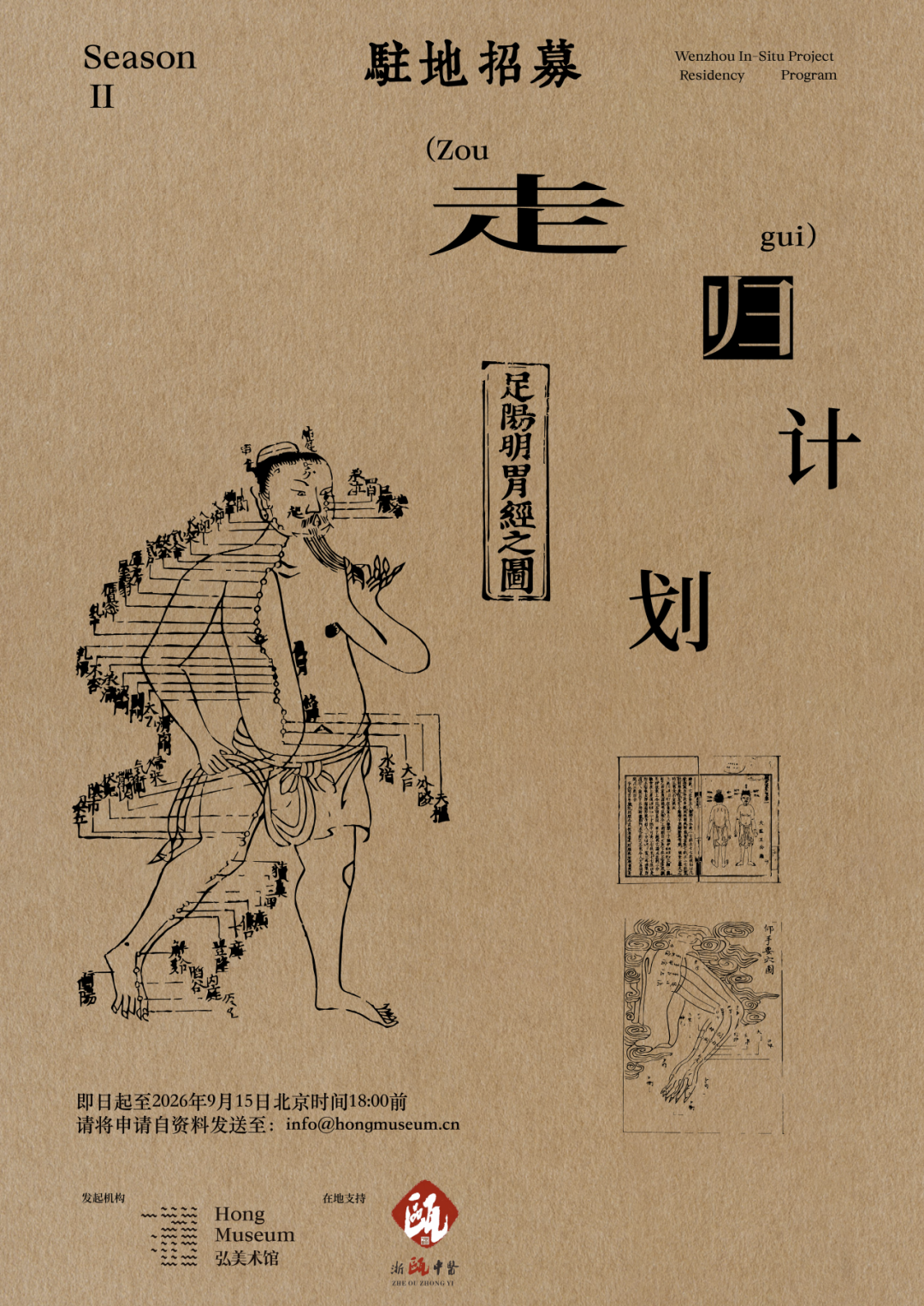
IntroductionHow does a city understand the body?
When we talk about a city, we often discuss its industries, trade, architecture, and patterns of migration. Yet we rarely talk about how a city understands the body, how it describes pain, how it cares for illness, and how it carries these experiences beyond its own borders.
Following the first season, which approached the city through the lens of local food, the second season of the Wenzhou In-Situ Project will turn its attention to traditional Chinese medicine and tuina practices rooted in Wenzhou.
Initiated by Hong Museum, and co-curated with curator Dai Xiyun, the project seeks to re-enter Wenzhou’s history and present through bodily experience, local medical knowledge, and folk practices. We hope to explore how a form of knowledge takes shape within a particular locality, how it is transmitted through families, master-apprentice relationships, clinics, and migrant networks, and how it is transformed within contemporary society into relationships of care, labor, and consumption.
The second season of the Wenzhou In-Situ Project is now officially open for applications. Local support will be provided jointly by the Wenzhou Society of Chinese Medicine, the Yongjia Medical School Research Institute, and the Wenzhou Clinic of Zhejiang School of Chinese Medicine.
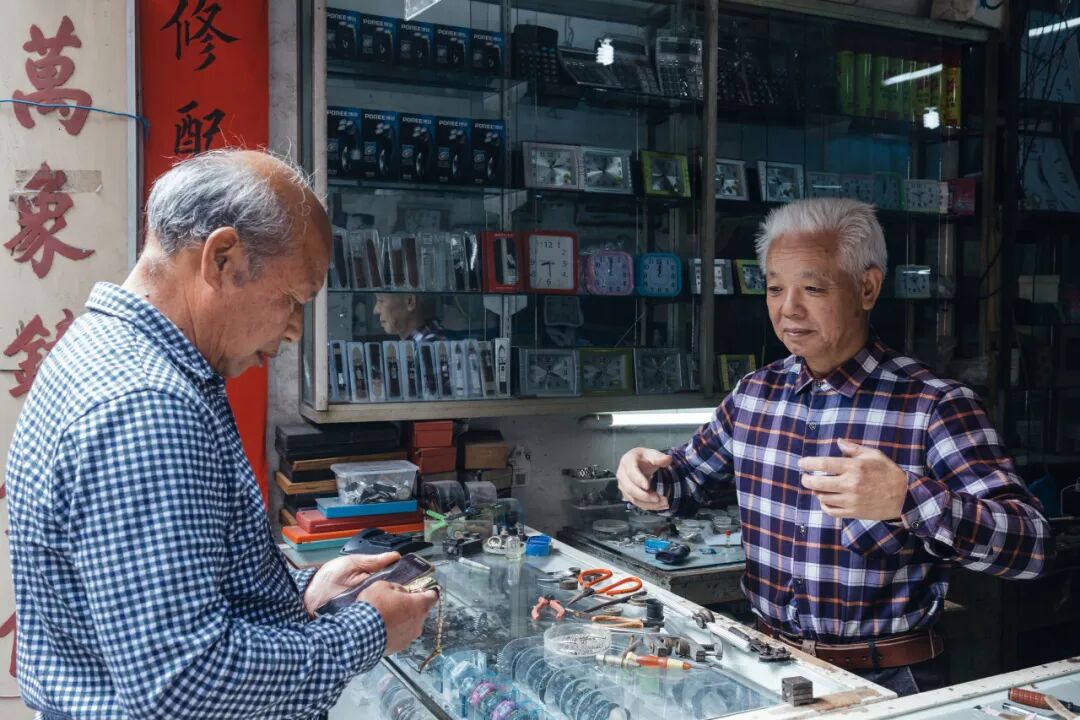
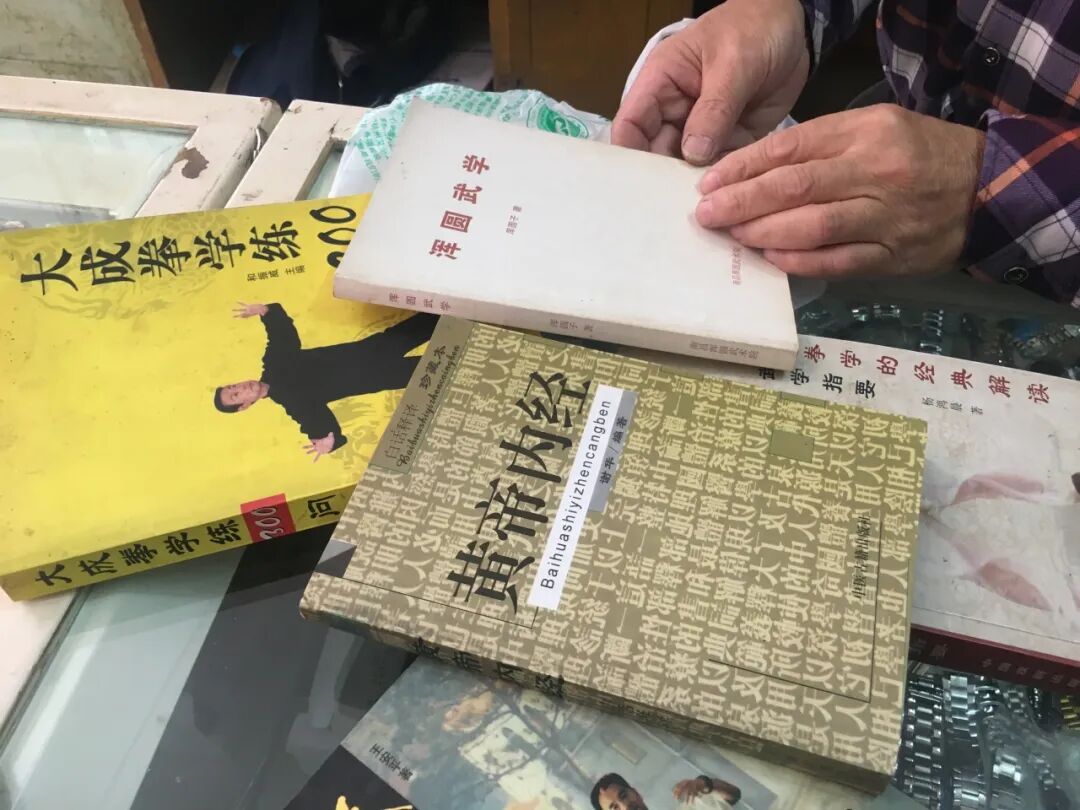
An old master at a watch shop in Wenzhou practicing qigong
Nanda Street, Beibaixiang Town, YueqingImage source: Ding Jiahui (guxu)
About the ProjectWenzhou In-Situ Project
The Wenzhou In-Situ Project is a local research and residency program initiated by Hong Museum.
In the Wenzhou dialect, “zougui” (走归) means “returning home.” This phrase also reflects the life experiences of many people from Wenzhou: “leaving for elsewhere while holding onto their hometown.” People continuously move outward, explore, and engage in new practices, while maintaining an enduring and often unbreakable connection with “home.”
“Zou” (leaving) and “gui” (returning) are not two completely separate directions. Like the process of going home itself, there exists a continuous and flexible tension between them: outward movement constantly reshapes the ways people understand their hometown, while distance, contradictions, and attachments to that hometown continue to shape the individual.
Perhaps it is precisely through repeated departures and returns, closeness and distance, that people gradually rediscover their relationship with “home.”
However, within this project, “zougui” does not belong only to those who return to their hometowns in the traditional sense, nor does it simply refer to a geographical return. It does not aim to evoke nostalgia or search for a fixed and unchanging local essence.
Rather, we understand “zougui” as a method of re-entering a local context: carrying one’s own distance, experiences, and questions into Wenzhou’s everyday life, systems of knowledge, and social realities, while rebuilding pathways of observation, understanding, and collaboration.
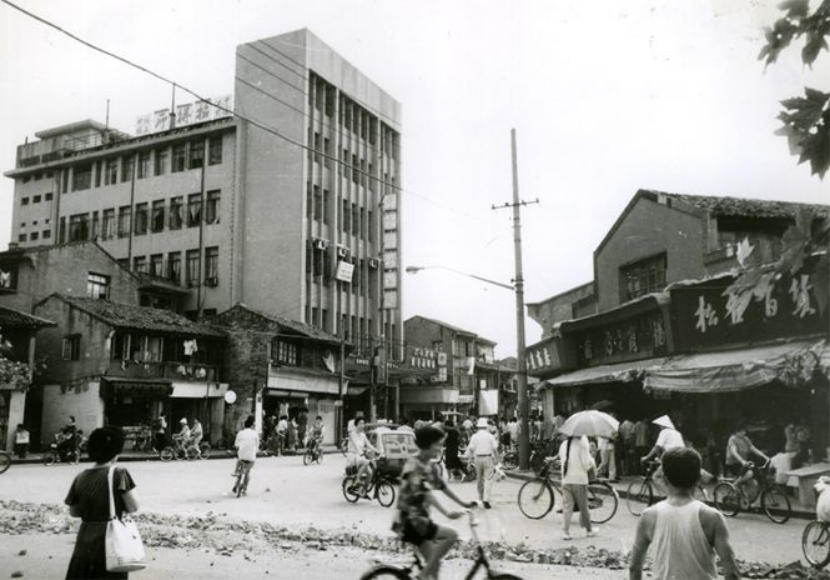
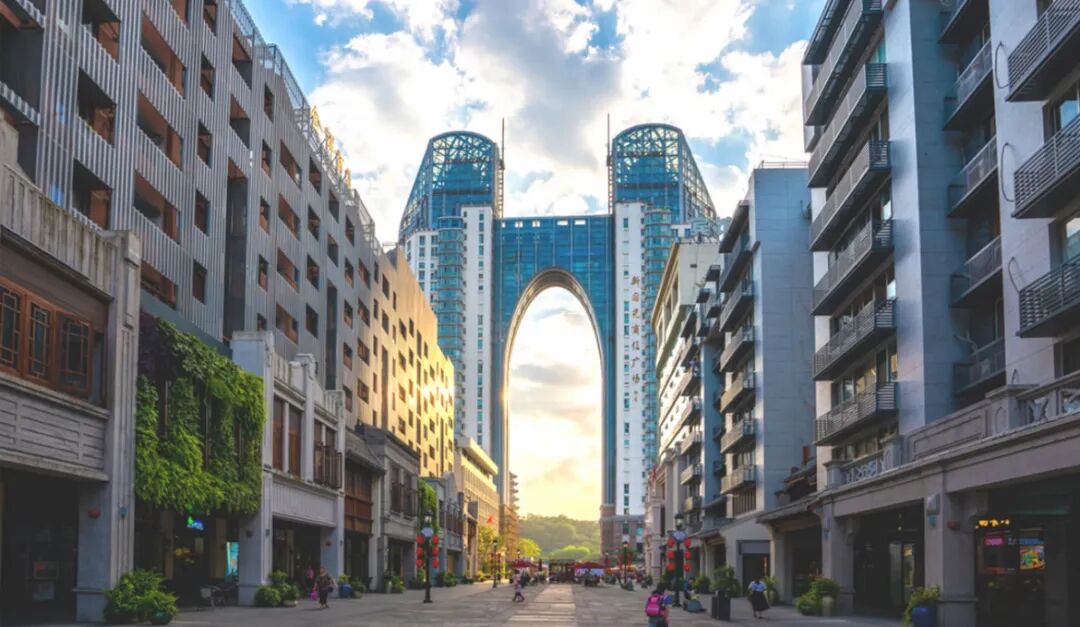
Chanjie Street in Wenzhou across different erasImage source: Internet
Each season of the project selects a specific entry point and invites practitioners from different fields to enter Wenzhou, conducting fieldwork, research, and creative practices.
The first season of the Wenzhou In-Situ Project focused on local food as its research theme and received more than ninety applications. Among them, over thirty applicants had direct connections with Wenzhou through their birthplace, family background, or life experiences. These included people who had studied and lived abroad for extended periods, as well as descendants of Wenzhou migrants who were born and raised overseas.
At the same time, some applicants who were not born in Wenzhou but had developed connections with the city through residence, work, or personal experiences also entered our field of attention.
These applications further confirmed our understanding of “zougui”: it does not belong only to traditional returnees. An individual’s relationship with Wenzhou may originate from family ties, or it may gradually emerge through migration, everyday life, and research.
Therefore, we welcome participants from diverse backgrounds to enter Wenzhou for research and practice—whether they seek to rediscover their understanding of the city or establish a connection with it for the first time.
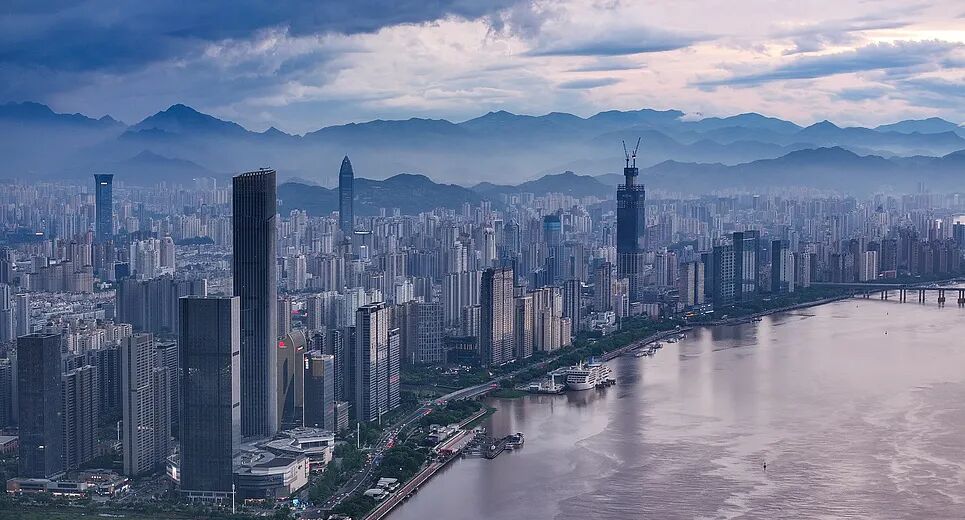
Season TwoTraditional Chinese Medicine and Tuina
In this season of the Wenzhou In-Situ Project, traditional Chinese medicine and tuina are not regarded as static cultural traditions, nor simply as forms of local heritage waiting to be documented, displayed, and preserved.
Instead, we hope to understand them as pathways into Wenzhou’s local society, bodily experiences, and systems of knowledge production.
They connect landscape and illness, belief and craftsmanship, care and labor, migration and livelihood. They also connect with different ways in which people understand the body:
How is pain perceived and described?
How is the body observed, touched, and treated?
How is a bodily technique learned and transmitted?
How is trust formed between practitioners, workers, and those receiving treatment?
When tuina enters hospitals, clinics, communities, households, and urban commercial spaces, how are treatment and care transformed into professions, services, and forms of consumption?
These questions are connected not only to the history of local medicine in Wenzhou, but also continue to exist within everyday life today.
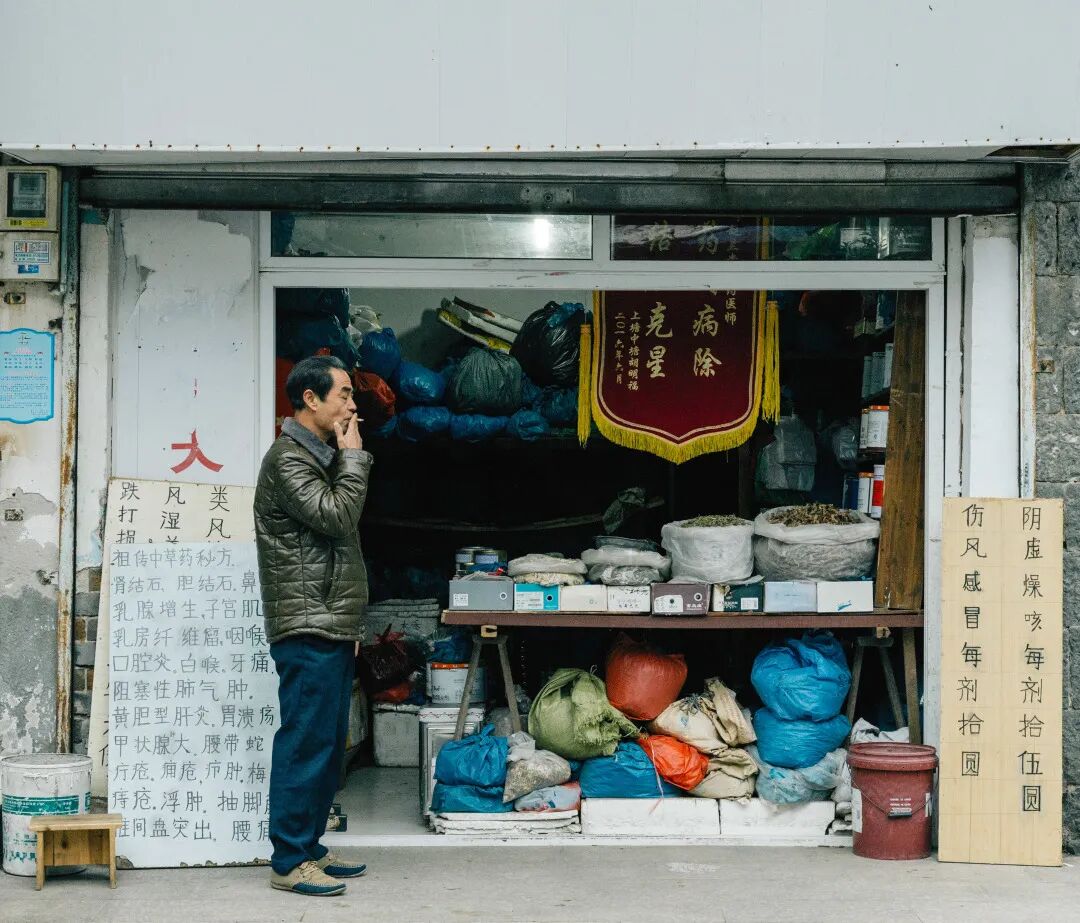
DemolishedImage source: Ding Jiahui (guxu)
Text by Dai XiyunCuratorial Research Notes | From Local Landscape to Migration
The following threads do not constitute predetermined research boundaries for the project, nor are applicants required to respond to these specific directions. They simply offer possible entry points for engaging with local medical knowledge and tuina practices in Wenzhou.
The formation and evolution of Chinese medicine in Wenzhou are embedded within a complex historical context shaped by multiple intertwined factors, including the climate and geographical environment of the Ouyue region, epidemic outbreaks, beliefs in spirits and deities, and maritime trade.
It is not a linear continuation of a single knowledge system, but rather the result of continuous interaction and mutual construction among geographical conditions, understandings of the body, and experiences of illness.
The following extracts only a few threads from this history, serving as possible entry points into the subject.
Worship of Spirits and Temple Devotion, Cultivation and Alchemy
“Seven Mountains, Two Rivers, One Part Farmland”
Since the Qin and Han dynasties, the Ouyue region has maintained a strong tradition of honoring spirits and worshipping at temples. It was regarded by physicians from the Central Plains as a place that “valued shamanic practices over medicine.” At the same time, legends of cultivating immortality and alchemical practices circulated widely.
This was closely related to the region’s geographical conditions: surrounded by mountains and sea, and located far from political centers. During historical periods when institutionalized medical systems had not yet fully developed, local beliefs and kinship networks played important roles in responding to epidemics and became major forms of local disease management.
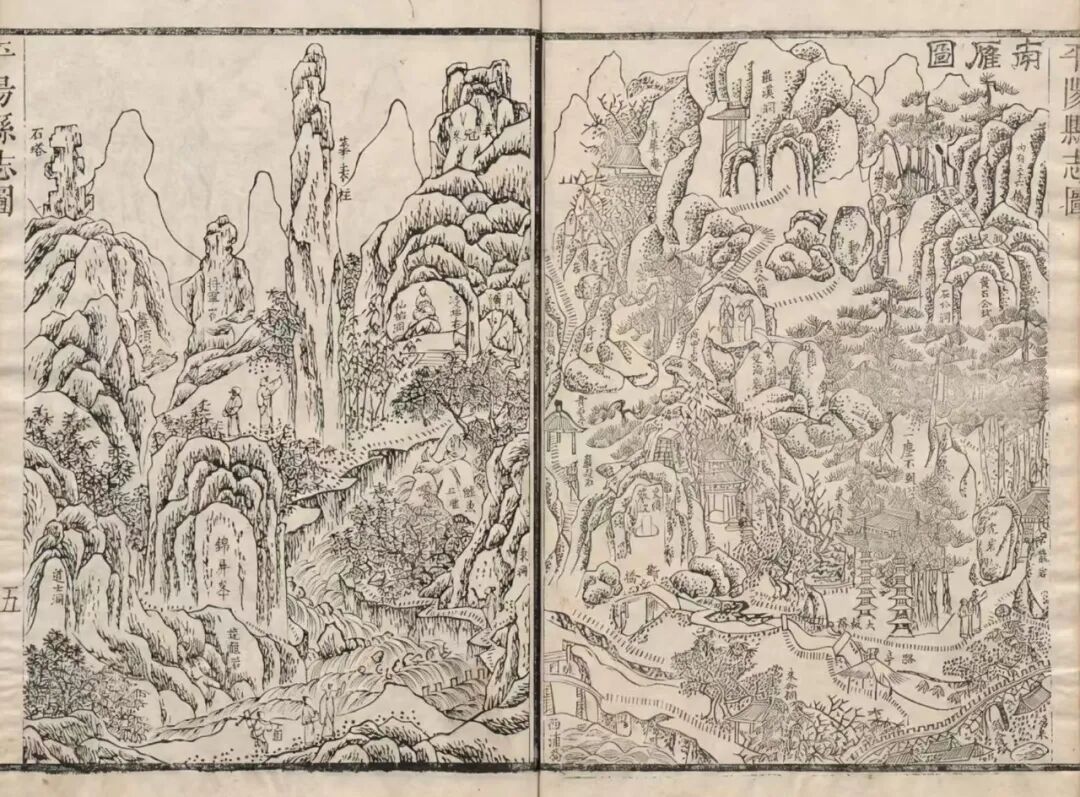
Xiangu Cave at the upper leftImage source: Online archive
The Yongjia Medical School
Simplicity, Convenience, Effectiveness, and Affordability
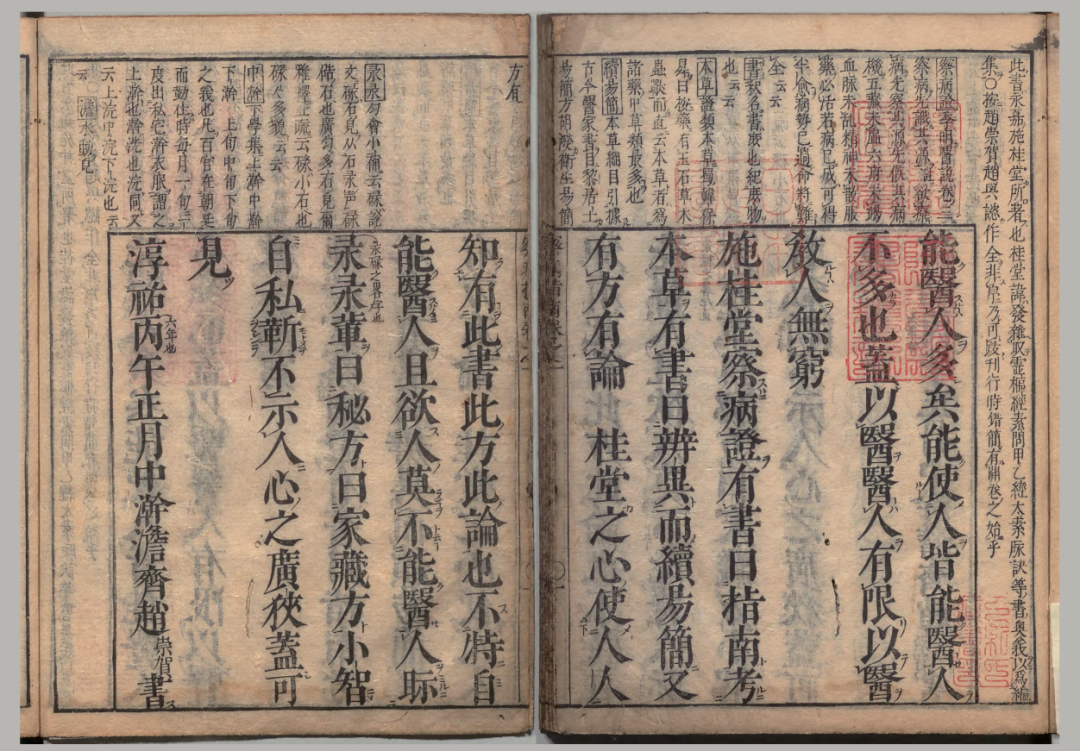
By the Song dynasty, as the political center moved southward, medical knowledge from northern China entered Wenzhou and gradually evolved through processes of local adaptation and reconstruction.
This gave rise to the Yongjia Medical School, characterized by simple and practical prescriptions, an emphasis on clinical experience, and responses to locally prevalent illnesses. In the history of early Chinese medical schools, it stood alongside the northern Hejian School and Yishui School as one of the three major traditions.
This orientation resonated with the intellectual atmosphere of the Yongjia School during the Southern Song dynasty, which emphasized practical achievements (shigong) and experiential knowledge. It placed clinical experience and local practice above abstract theoretical interpretation, leaving a lasting influence on the development of Chinese medicine in Wenzhou.
The Medical Official System
Huimin Pharmacy Institutions, Autopsy and Injury Examination
The development of the official medical system during the Yuan dynasty further strengthened the institutionalization and instrumentalization of medical knowledge that had begun during the Song dynasty.
With the expansion of imperial territory, as well as the need for medical relief and administrative management under pressures such as warfare, epidemics, and famine, medical knowledge was gradually incorporated into larger systems of organization and coordination.
It was transformed into a technology of governance and developed into forms of public medical administration that extended beyond individual diagnosis and treatment.
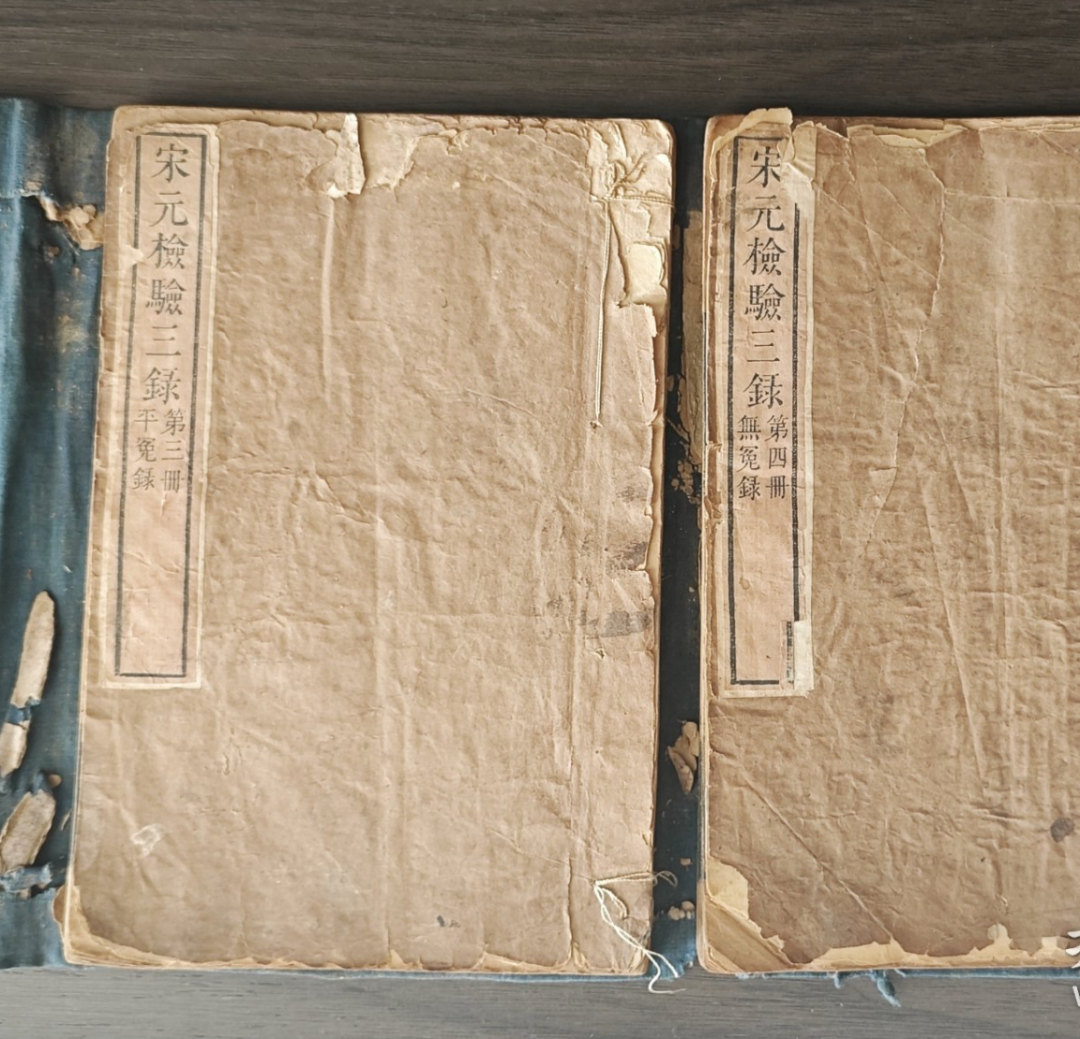
In addition to medical administrative institutions such as Huimin Pharmacies, medical knowledge also extended into judicial practices. One local textual reference can be found in The Record of No Injustice (Wuyuan Lu), written by the Wenzhou forensic scholar Wang Yu, which demonstrates systems of autopsy, injury examination, and forensic identification.
Treaty Port and Commercial Opening
Liji Academy and Songling Medical School
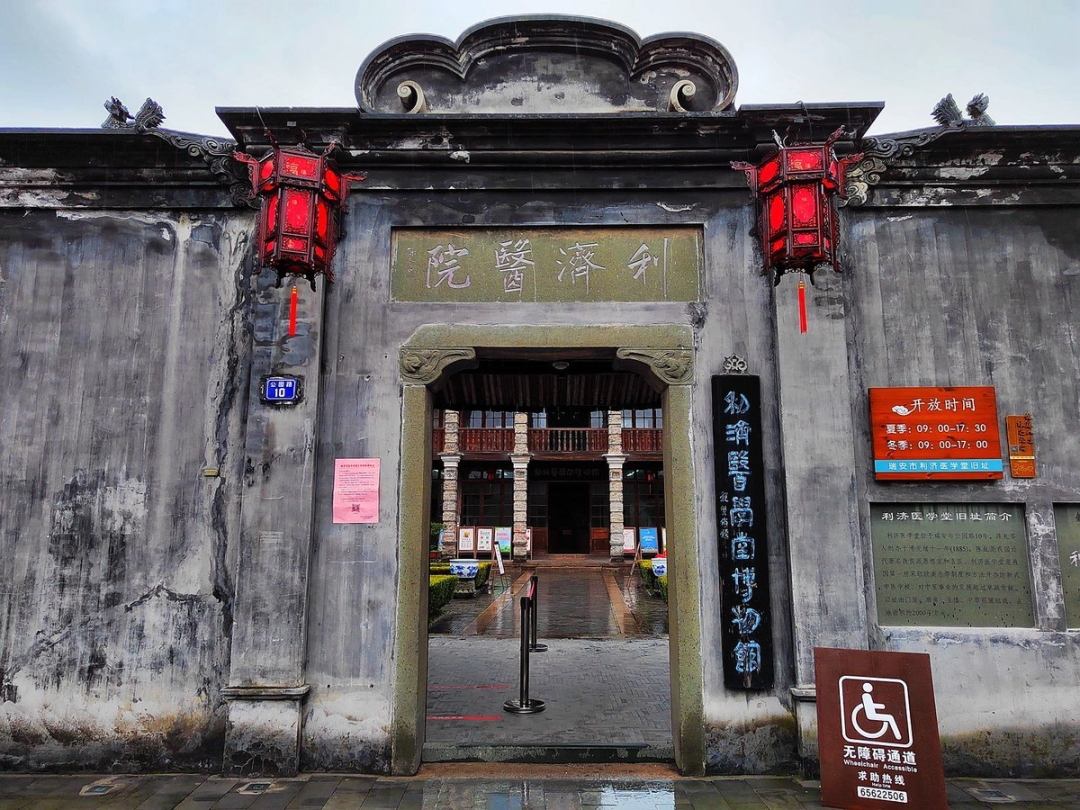
Entering the modern period, after the Qing government signed the Treaty of Yantai with Britain, Wenzhou became one of the designated treaty ports.
With the influx of Western commodities, missionaries, and medical knowledge, local medicine began to encounter and interact with new systems of knowledge. Wenzhou consequently became an important site for the modernization of Chinese medicine.
One of the earliest Chinese medicine schools in China to introduce European and American teaching models, Liji Academy, as well as the Chinese-Western integrated medical school Songling Medical School, were both established during this period. They represented different attempts at transforming medical knowledge in Wenzhou during the modern era.
This transformation was not a passive acceptance of external knowledge systems. Rather, it more closely resembled what historian Liang Qizi describes as “glocalisation”: a process through which local traditions, Chinese medicine, and Western medicine continuously reorganized and reconfigured themselves through ongoing encounters and negotiations.
Migrant Networks and Medical Practice Overseas
Bone-setting, Tuina, and Marginalized Labor
At the same time, cross-regional trade and migration enabled local medical knowledge to expand overseas.
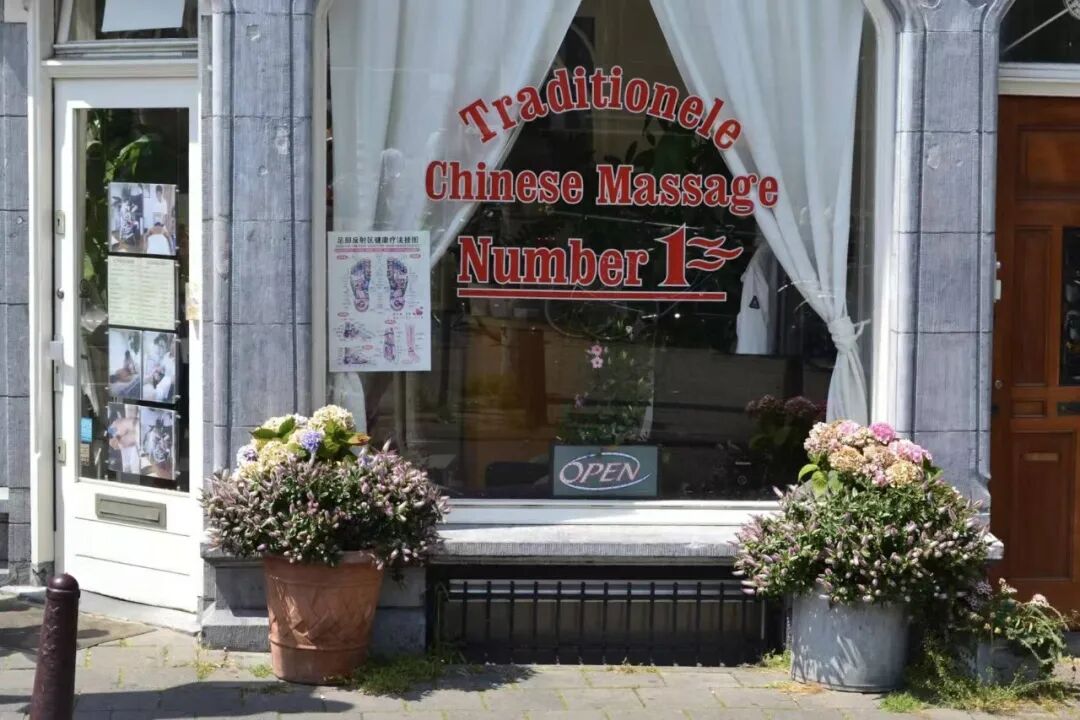
Taking the Wang Yingxin Bone-Setting Clinic, established during the late Qing dynasty, as an example, its medical network extended to the Netherlands, France, and Italy during the mid-to-late twentieth century.
Within migrant communities, these practices continued in forms of bodily treatment centered on acupuncture, tuina, bone-setting, and related techniques. They placed greater emphasis on the internal relationship between qi and blood, meridians, and bodily perception, reflecting a concept of the body distinct from that of modern Western medicine.
Within this broader context, tuina, as one of the most common forms of such bodily therapeutic practices, has developed through close interweaving with folk practices such as bone-setting and martial arts.
Compared with medical traditions based on classical texts and institutionalized education systems, often led by literati and professional classes, the acquisition and practice of tuina relies more heavily on embodied skills and less on academic training.
As a result, it has formed a relatively accessible occupational pathway within social structures, making it more likely to become a livelihood option for migrant communities and marginalized labor groups.
In contemporary contexts, tuina has become further embedded within market mechanisms, transforming therapeutic relationships into more everyday relationships of care and consumption. It has thus developed into a complex field involving the body, labor, and the circulation of capital.
Open CallResidency Guidelines
Residency Research and Subsequent Presentation
The second season of the Wenzhou In-Situ Project consists of two interconnected yet relatively independent components: “Residency Research” and “Exhibition Presentation.”
As the initial stage of the project, residency research will take fieldwork as its primary methodology. Participants are encouraged to ground themselves in specific local contexts and undertake open-ended exploration, expansion, and interdisciplinary investigation around traditional Chinese medicine and tuina.
This stage places greater emphasis on the generation of questions rather than predetermined conclusions.
Some materials, works, and public practices developed during the residency research process may be included in future exhibitions, publications, and public programs organized by Hong Museum.
However, subsequent presentation does not represent a one-to-one conversion of all research outcomes, nor does it mean that residency research must ultimately enter an exhibition format.
Selected outcomes are expected to be further presented in relevant exhibitions in 2028.
Applicants
This project is open to artists, researchers, writers, filmmakers, designers, curators, as well as individuals or groups engaged in interdisciplinary practices who possess capabilities in research, creative production, or public practice.
This season will select 5 participants (individuals or groups).
I. Project Outcomes
Participants may develop outcomes in any of the following formats according to their individual research approaches:
(1) Artistic Works
Installations, moving images, photography, visual works, sound works, texts, and other artistic practices.
(2) Research and Public Practice
Articles, workshops, seminars, socially engaged projects, public events, and other forms of research-based practice.
The project does not prescribe a unified final outcome format. Participants are encouraged to gradually develop artworks, texts, public programs, or other experimental practices based on their fieldwork processes.
Some research materials, works, or public practices generated during the residency may have the opportunity to enter future exhibitions, publications, and public programs of Hong Museum.
II. Application Requirements
Applicants should explain in their proposals:
- Their ongoing research or creative directions to date;
- The research plan they hope to develop during this residency;
- The relationship between this plan and their existing research or creative practices.
Applicants with backgrounds in social science research, experience in art-based local research, multi-party collaboration, or public project practice will be given priority consideration.
We also place importance on applicants’ understanding of fieldwork ethics, including how they establish respectful, equal, and sustainable relationships with medical practitioners, patients, workers, interviewees, and relevant communities.
We especially welcome research and creative proposals that approach the subject through perspectives including: bodily experience; narratives of pain; relationships of care; local knowledge; folk techniques and practices; labor and migration; urban spaces of consumption.
III. Residency Period
Residency period: November 2026 – June 2027.
Each participant (individual or group) is required to complete a cumulative residency period of no less than 4 weeks and no more than 8 weeks.
The specific residency schedule may be discussed and determined according to the participant’s plan and the overall project arrangements.
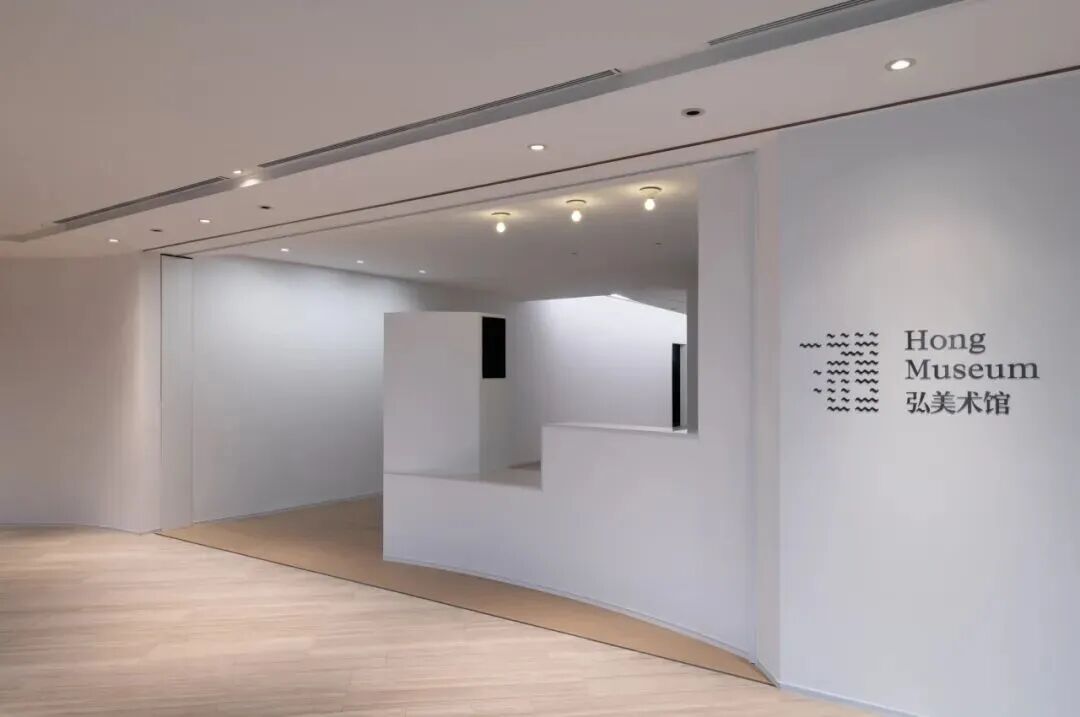
IV. Support Provided by Hong Museum
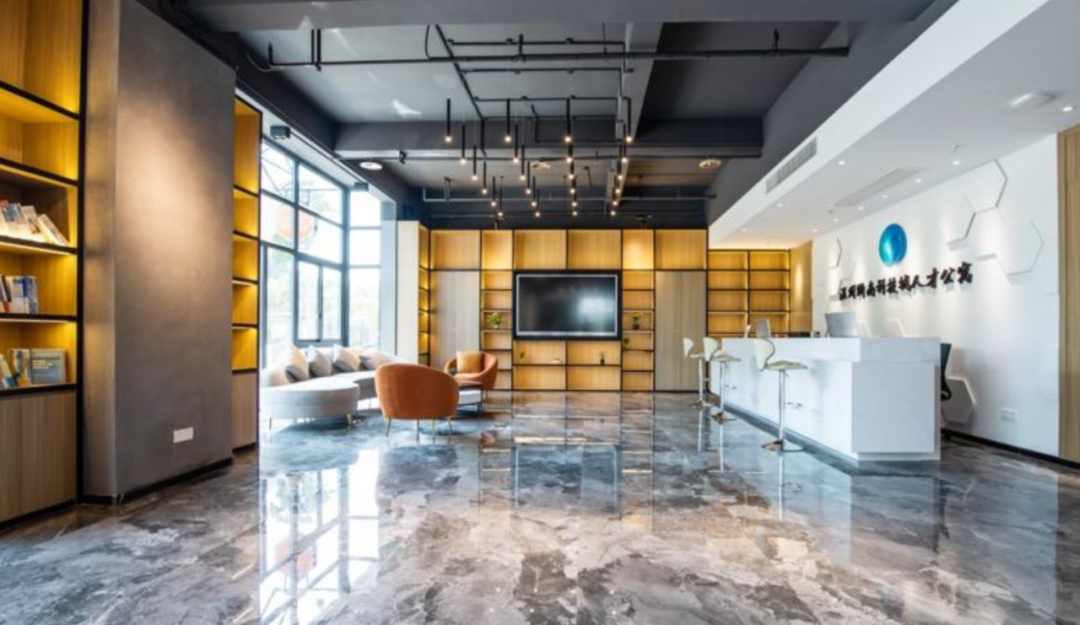
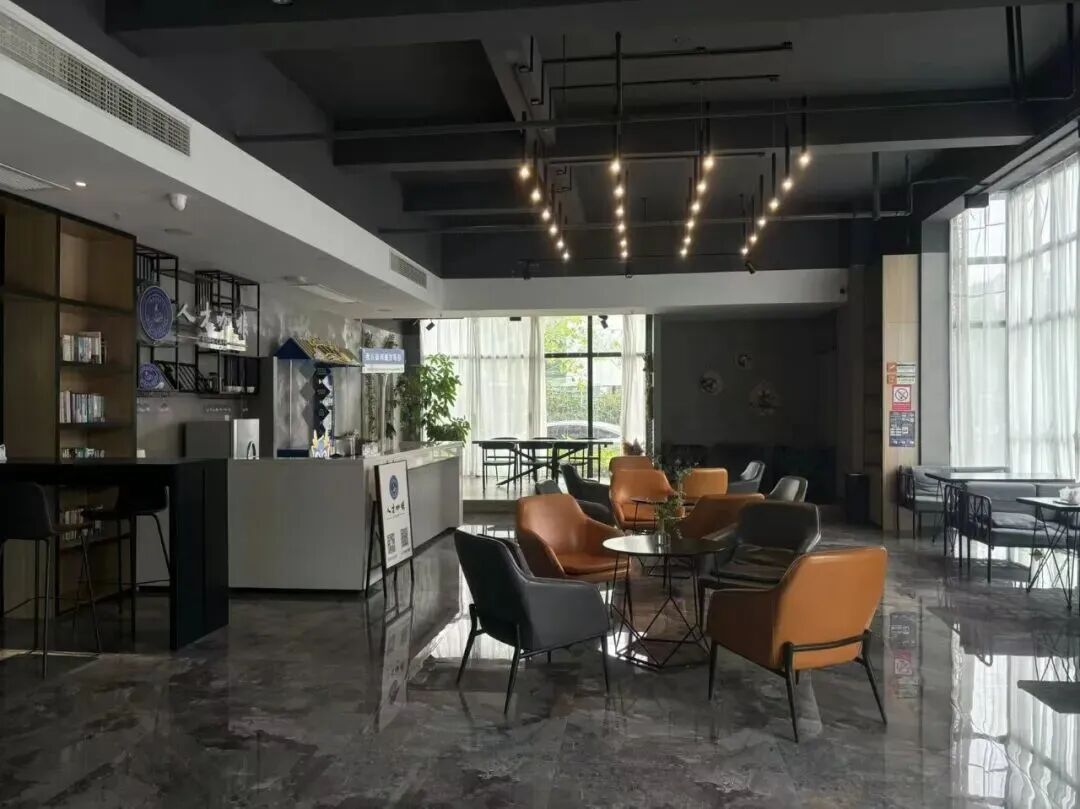
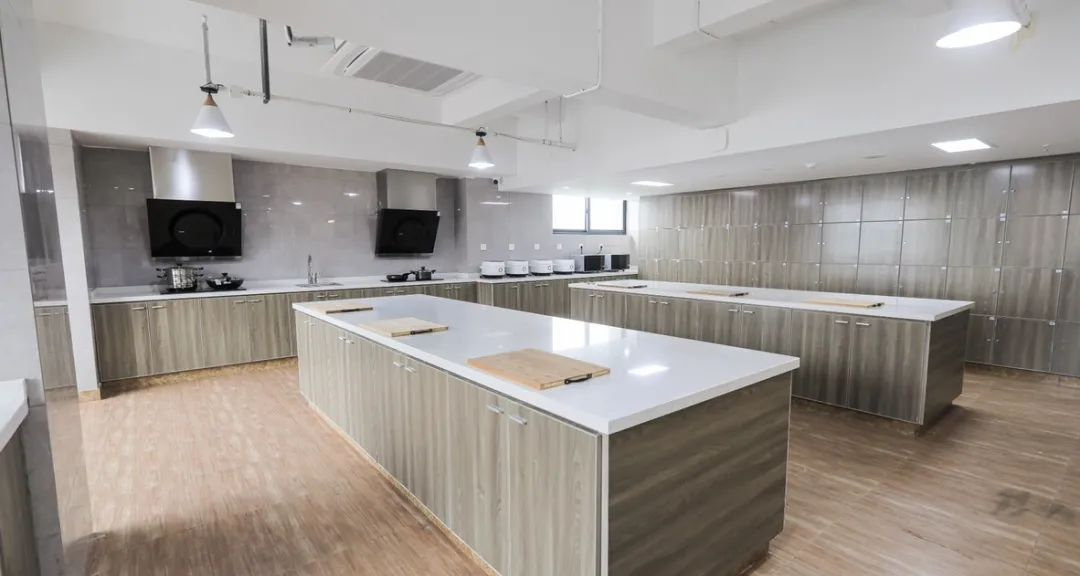
Hong Museum will provide:
- A small workspace and activity venue (the venue will be shared and coordinated with other researchers according to project arrangements);
- Accommodation during the residency period;
- Research and production funding starting from RMB 5,000 per participant (individual or group), with the final amount determined according to the specific project and reimbursed based on actual expenses;
- A creative stipend of RMB 1,000 per participant (individual or group);
- A daily living allowance of RMB 50 during the residency period;
- One round-trip transportation allowance between the participant’s permanent residence and Wenzhou (transportation support applies only to travel within mainland China);
- Coordination of local resources and research support;
- Support for creative development and curatorial discussions.
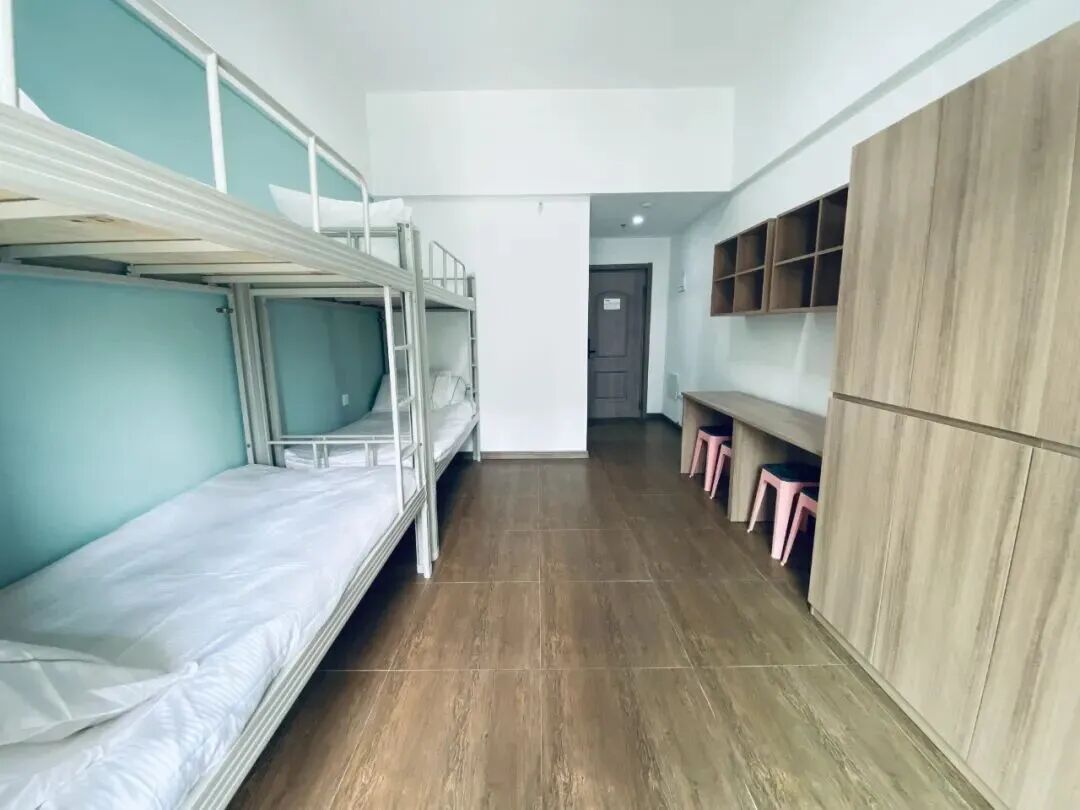
V. Requirements During the Residency Period
Participants are required to:
- Submit a progress report once every two weeks;
- Participate in or organize no fewer than two public events during the residency or subsequent project period;
- Public events may take the form of interim presentations, workshops, seminars, open discussions, or other formats;
- Fully respect participants’ informed consent and privacy when conducting interviews, photography, filming, documenting medical cases, treatment experiences, or personal bodily information;
- Cooperate with the project team in organizing necessary research materials and maintaining project archives.
ApplicationApplication Timeline and Procedure
Before the deadline, please send application materials to: info@hongmuseum.cn
Please use the following email subject format: “2026 Wenzhou In-Situ Project | Traditional Chinese Medicine and Tuina + Applicant Name”
Application materials should include
- Personal profile;
- Portfolio, research writing samples, or relevant practice materials. For video works, please provide cloud storage links;
- Residency research proposal. Please include research direction, residency plan, preliminary budget, and required support;
- Other supplementary materials, if applicable.
For inquiries, please contact WeChat customer service: 弘美术馆Hongmuseumcn.
“Wenzhou In-Situ” is not intended to confirm an already existing local identity, but rather to attempt to rebuild the relationship between people and place.
We look forward to participants from diverse backgrounds beginning from bodily experience, entering Wenzhou and, through specific local contexts, rethinking how knowledge is formed, how techniques circulate, and how care and trust are built between people.